
Pame Kaimakli 2026 “[+]ΕΡΓΑ-ΣΙΕΣ”
Join us on 24th & 25th of October in Synergasias Street



[+]ΕΡΓΑ-ΣΙΕΣ | Collaborative Works
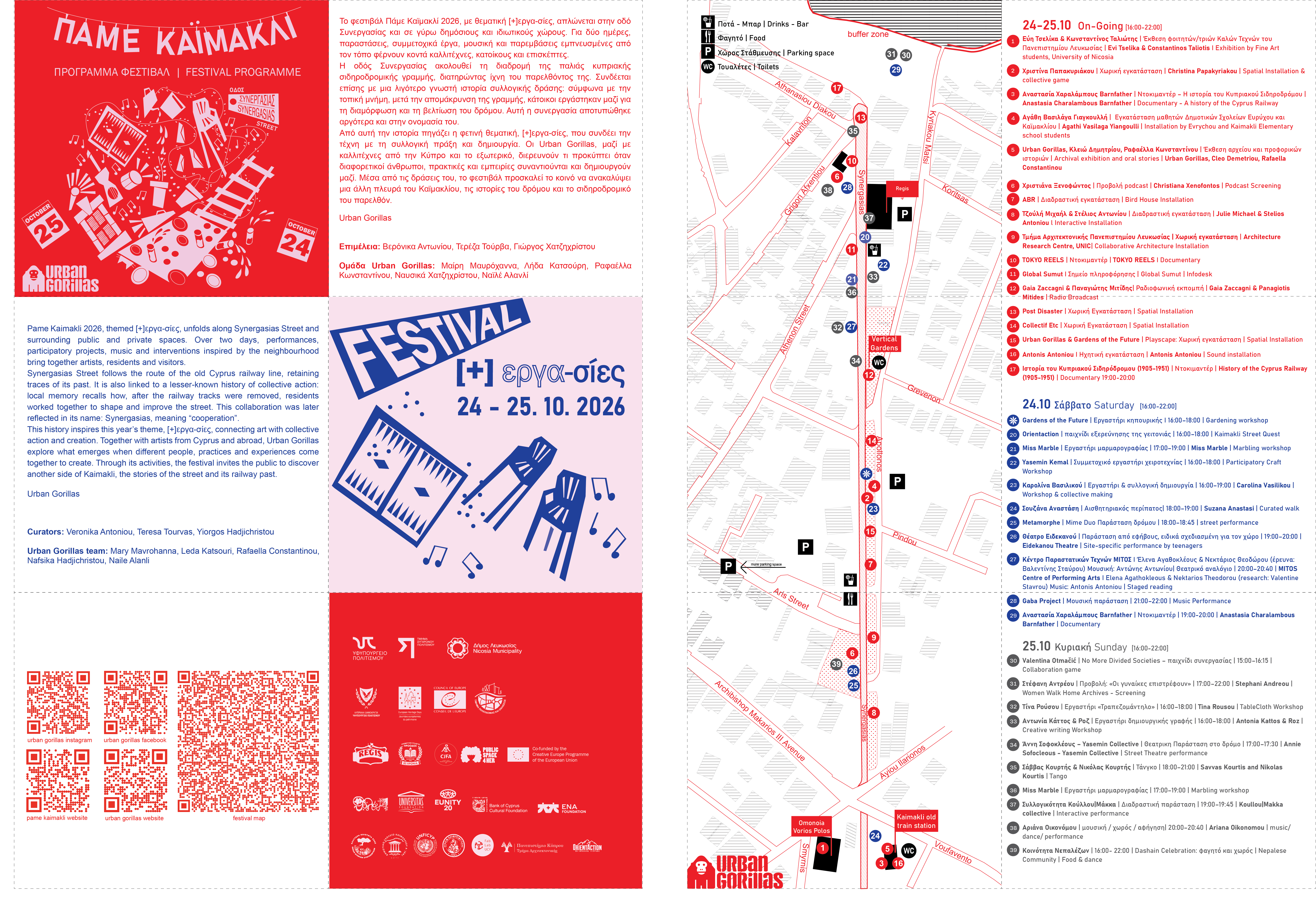
Το Φεστιβάλ Πάμε Καϊμακλί 2026 θα πραγματοποιηθεί στις 24 και 25 Οκτωβρίου. Η φετινή θεματική ––του φεστιβάλ, [+]εργα-σίες, συνεχίζει τη διαχρονική του επιδίωξη να ενεργοποιεί συλλογικά τη γειτονιά ως κοινό χώρο συνάντησης, δημιουργίας και ανταλλαγής.
Φέτος, το φεστιβάλ μεταφέρεται στην οδό Συνεργασίας, έναν δρόμο με ιδιαίτερες ιστορίες συνεργασίας και συλλογικής δράσης. Το 1975, οι κάτοικοι διαμόρφωσαν τον δρόμο πάνω στη διαδρομή όπου περνούσε η παλιά σιδηροδρομική γραμμή, μετατρέποντας έναν χώρο διέλευσης σε χώρο της γειτονιάς.
Η φετινή διοργάνωση προσεγγίζει τη συνεργασία μέσα από καλλιτεχνικές και χωρικές πρακτικές που γεννιούνται από συναντήσεις, συνέργειες και σχέσεις εγγύτητας μεταξύ κατοίκων, καλλιτεχνών και επισκεπτών.
Η ιστορία του τρένου, που κάποτε διέσχιζε το Καϊμακλί, το Κιουτσούκ και το Μπουγιούκ Καϊμακλί, λειτουργεί ως ένα νήμα που επανασυνδέει τα δύο μέρη της γειτονιάς μέσα από κοινές αφηγήσεις και αναμνήσεις. Ιστορίες, ήχοι, παραστάσεις και συλλογικά έργα από περισσότερους από 50 καλλιτέχνες ενεργοποιούν ξανά αυτή τη διαδρομή, δημιουργώντας νέες συναντήσεις ανάμεσα στο παρελθόν και το παρόν της γειτονιάς.
ENG
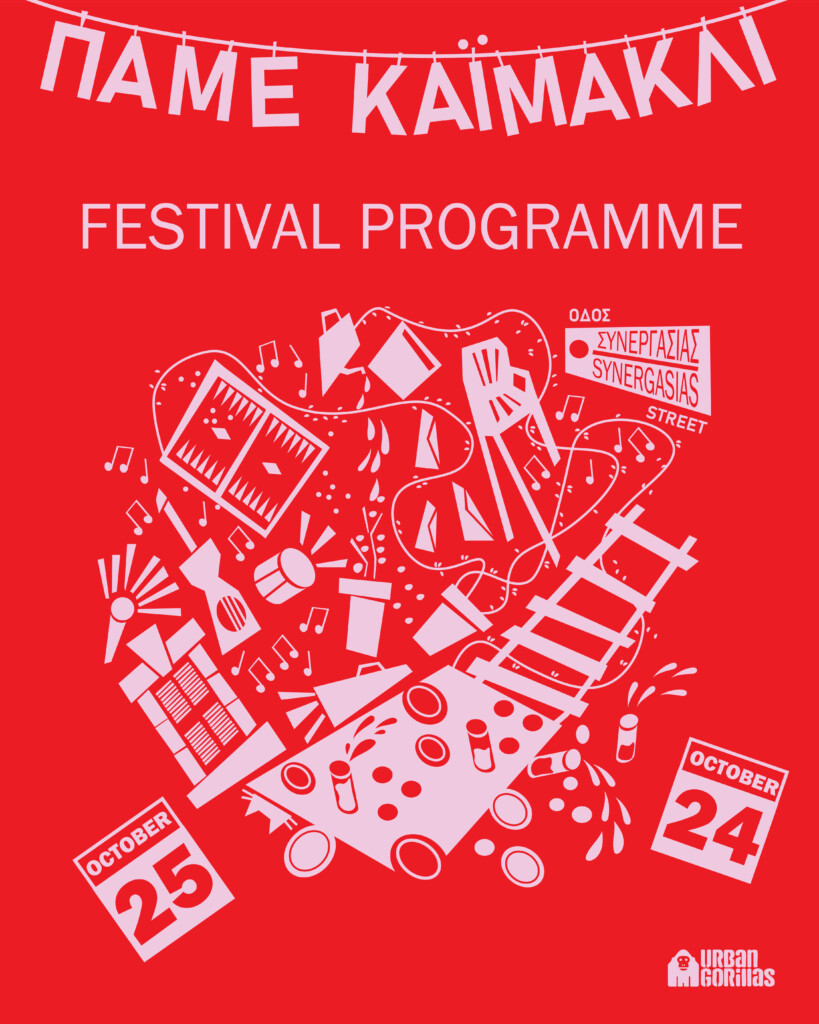
The Pame Kaimakli Festival 2026 will take place on 24 and 25 October. This year’s festival theme, [+]εργα-σίες | Collaborative Works, continues its longstanding aim of collectively activating the neighbourhood as a shared space for meeting, creating and exchanging.
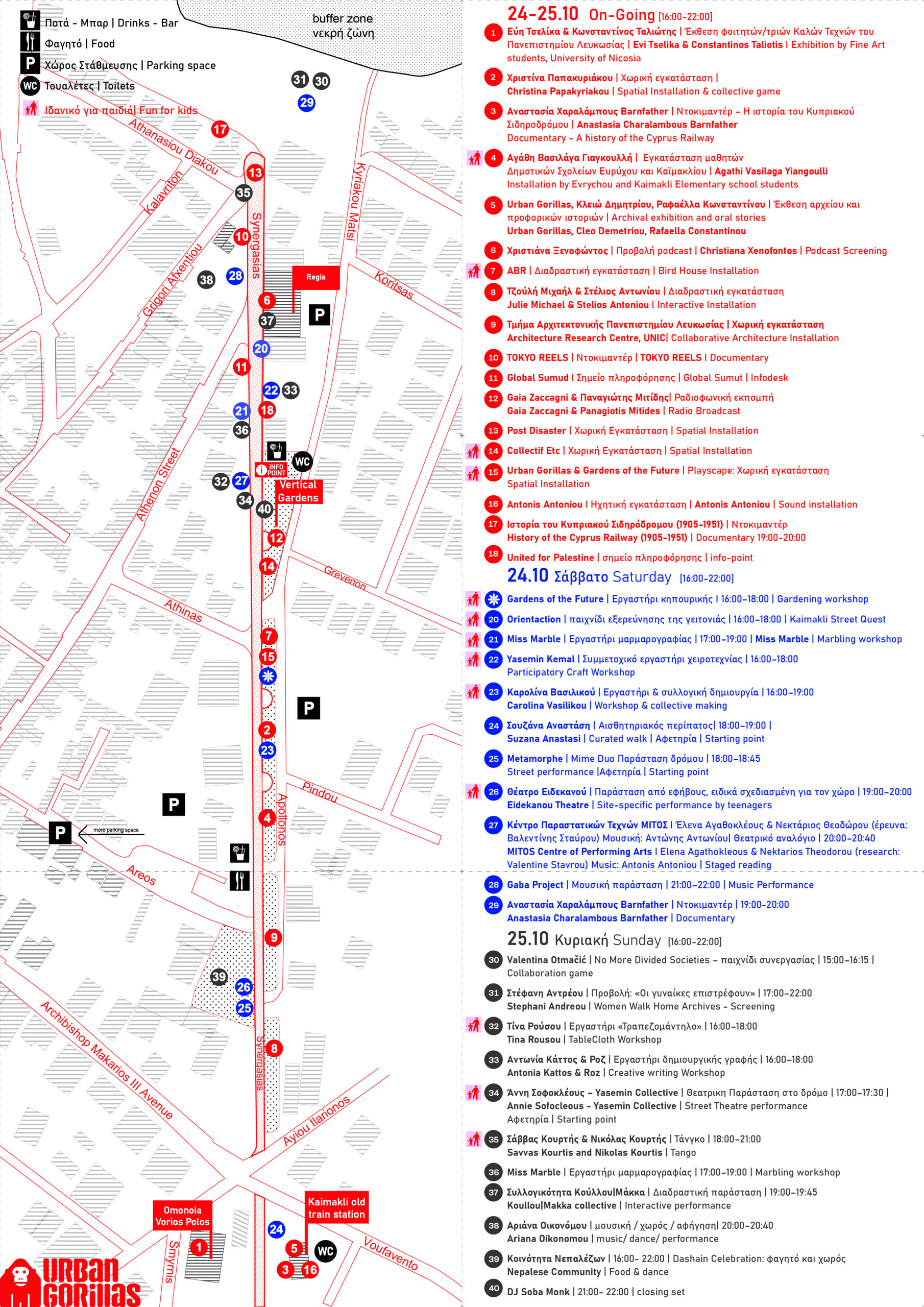
This year, the festival moves to Synergasias Street, a road with a unique history of cooperation and collective action. In 1975, local residents shaped the street along the route of the old railway line, transforming a space of passage into a space belonging to the neighbourhood.
This year’s programme explores the idea of cooperation through artistic and spatial practices that emerge from encounters, collaborations and relationships of proximity between residents, artists and visitors.
The story of the train that once crossed Kaimakli, Küçük and Büyük Kaimakli, serves as a thread reconnecting the two parts of the neighbourhood through shared stories and memories. Stories, sounds, performances and collective works by more than 50 artists reactivate this route, creating new encounters between the neighbourhood’s past and present.
TR
Pame Kaimakli 2026 Festivali, 24 ve 25 Ekim tarihlerinde gerçekleşecek. Festivalin bu yılki teması olan [+]iş-birlikleri, mahallenin ortak bir buluşma, üretim ve paylaşım alanı olarak kolektif bir biçimde canlandırılmasına yönelik süregelen yaklaşımlarını devam ettiriyor.
Bu yıl festival, iş birliği ve kolektif eylem açısından kendine özgü geçmişi olan Synergasias (İş Birliği) Sokağı’na taşınıyor. 1975 yılında mahalle sakinleri, eski demiryolu hattının geçtiği güzergâh boyunca sokağı şekillendirerek bir geçiş alanını mahalleye ait ortak bir mekâna dönüştürdüler.
Bu yılki festival, iş birliği kavramını; mahalle sakinleri, sanatçılar ve ziyaretçiler arasındaki karşılaşmalardan, ortaklıklardan ve yakınlık ilişkilerinden doğan sanatsal ve mekânsal pratikler aracılığıyla ele alıyor.
Bir zamanlar Kaymaklı, Küçük Kaymaklı ve Büyük Kaymaklı’dan geçen trenin hikâyesi, ortak anlatılar ve anılar aracılığıyla mahallenin iki bölümünü yeniden birbirine bağlayan bir izlek işlevi görüyor. 50’den fazla sanatçının katkısıyla ortaya çıkan hikâyeler, sesler, performanslar ve kolektif üretimler, bu güzergâhı yeniden canlandırarak mahallenin geçmişi ile bugünü arasında yeni karşılaşmalar yaratıyor.
Participants & Program
Explore festival activities here!
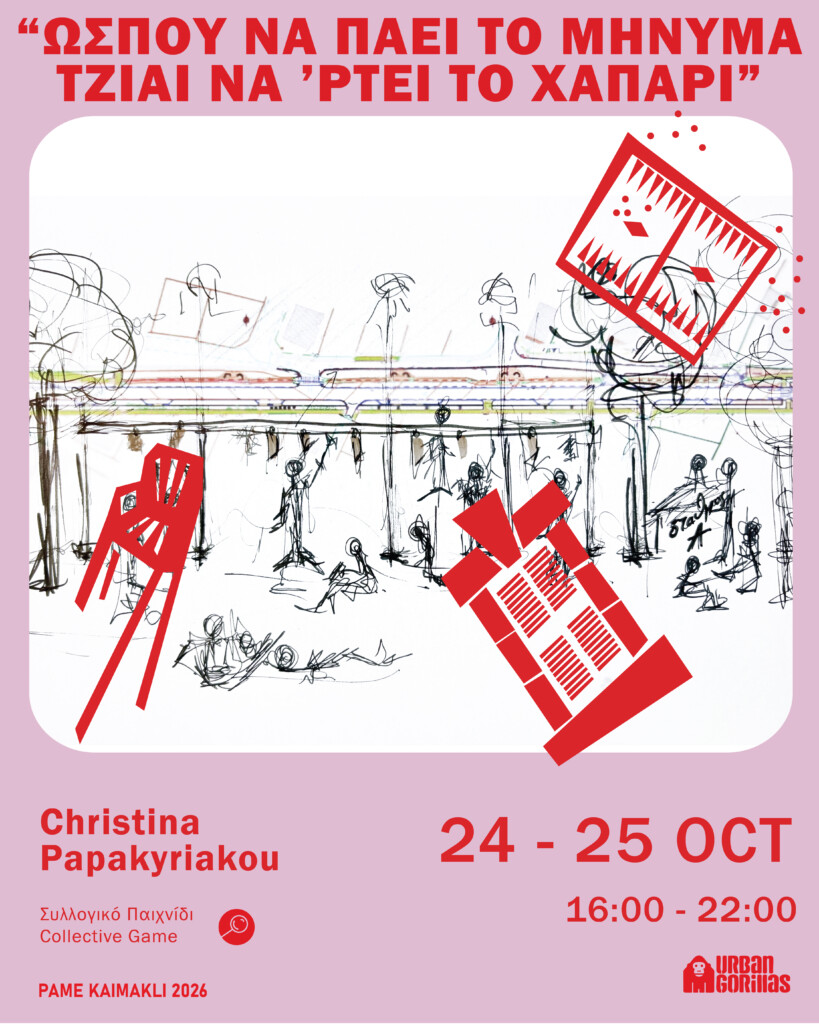
Ώσπου να πάει το μήνυμα τζιαι να ’ρτει το χαπάρι | Collective Game
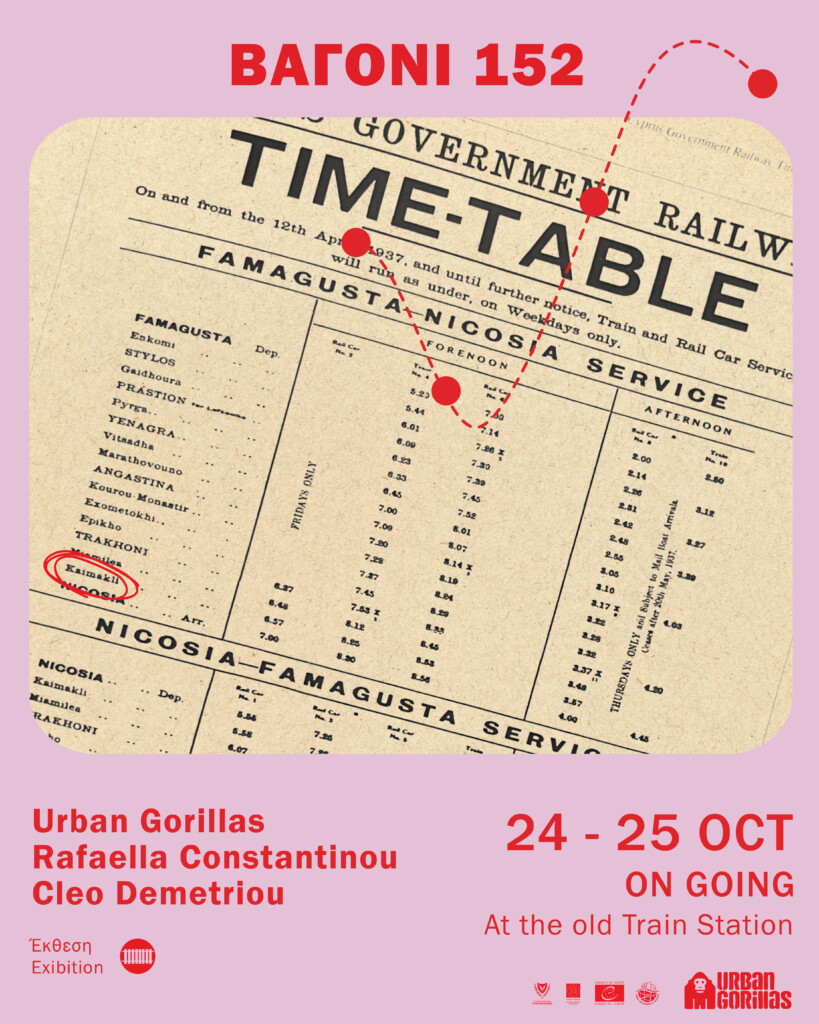
Βαγονι 152 | Exhibition
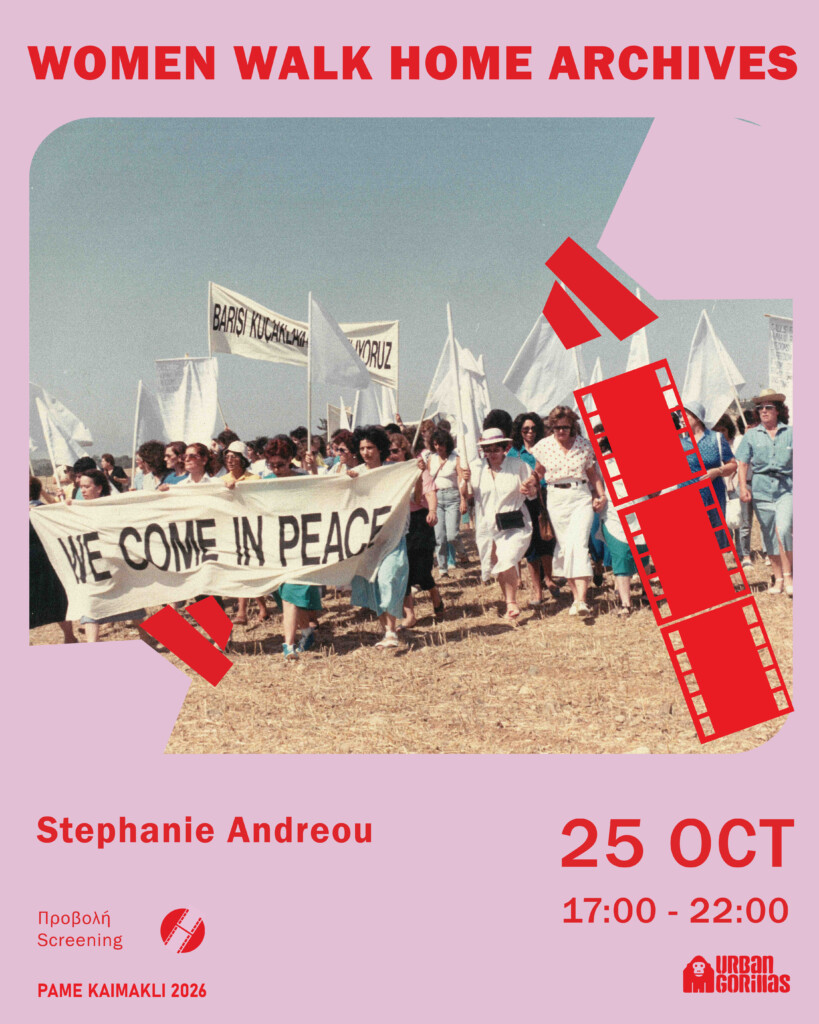
Women Walk Home Archives | Screening
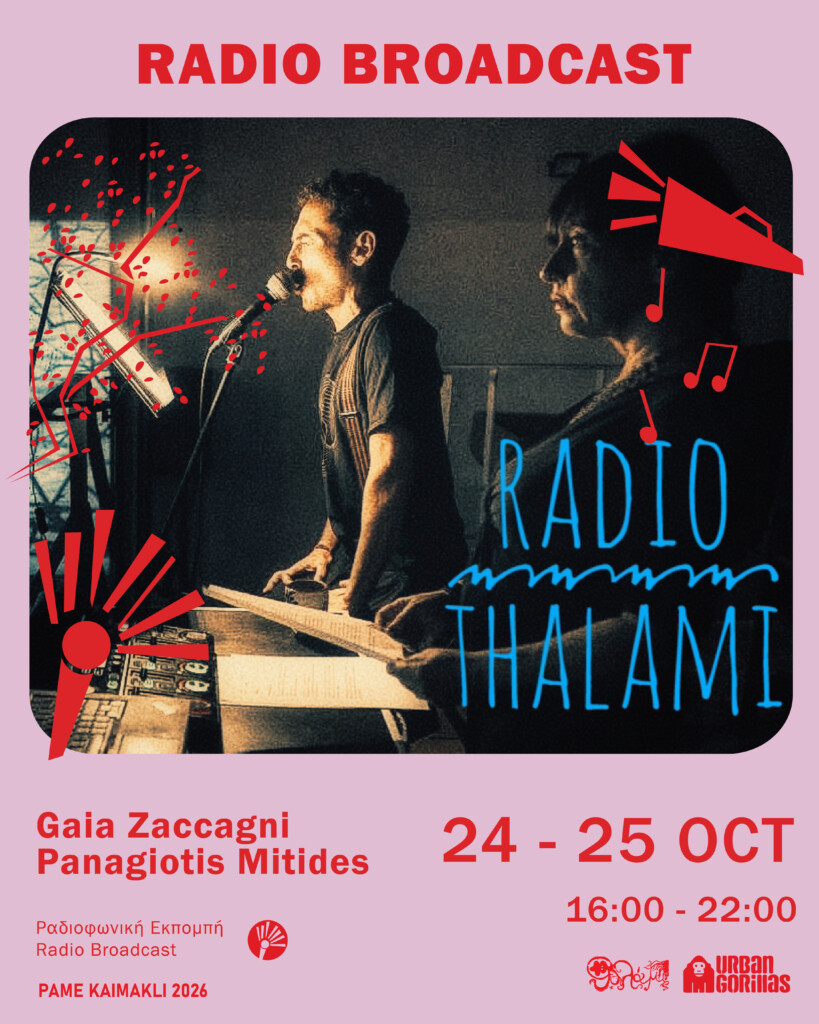
Radio Broadcast | Radio Broadcast
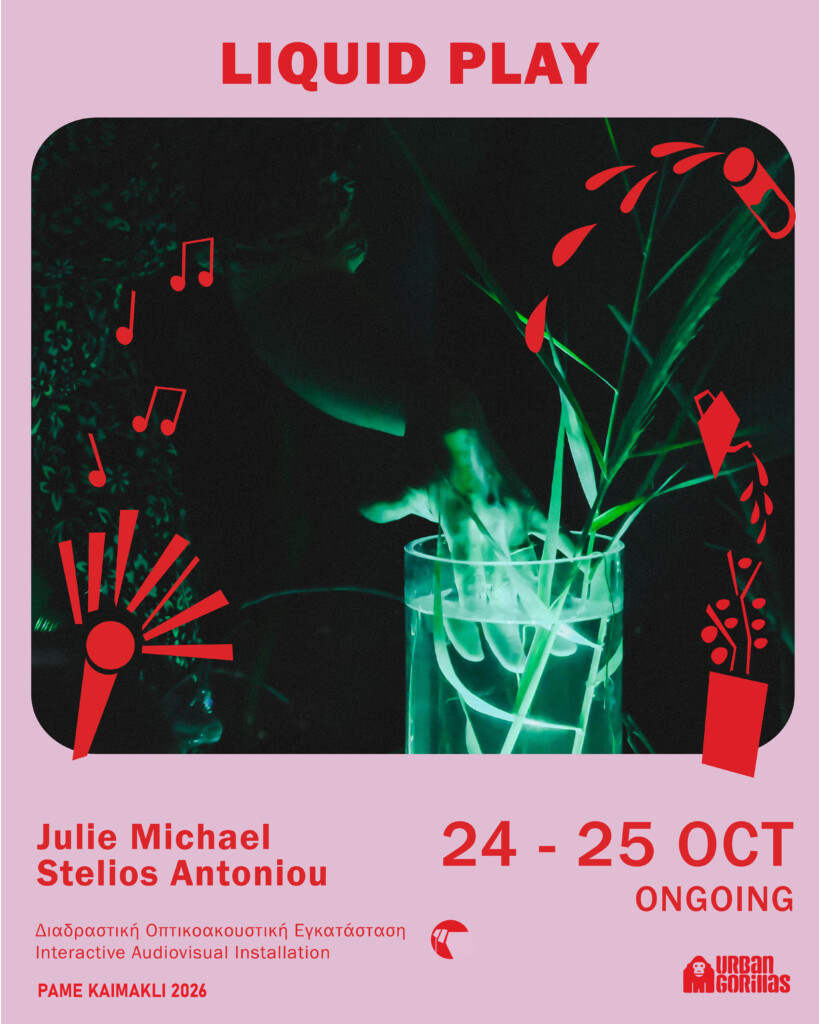
Liquid Play | Interactive Audiovisual Installation
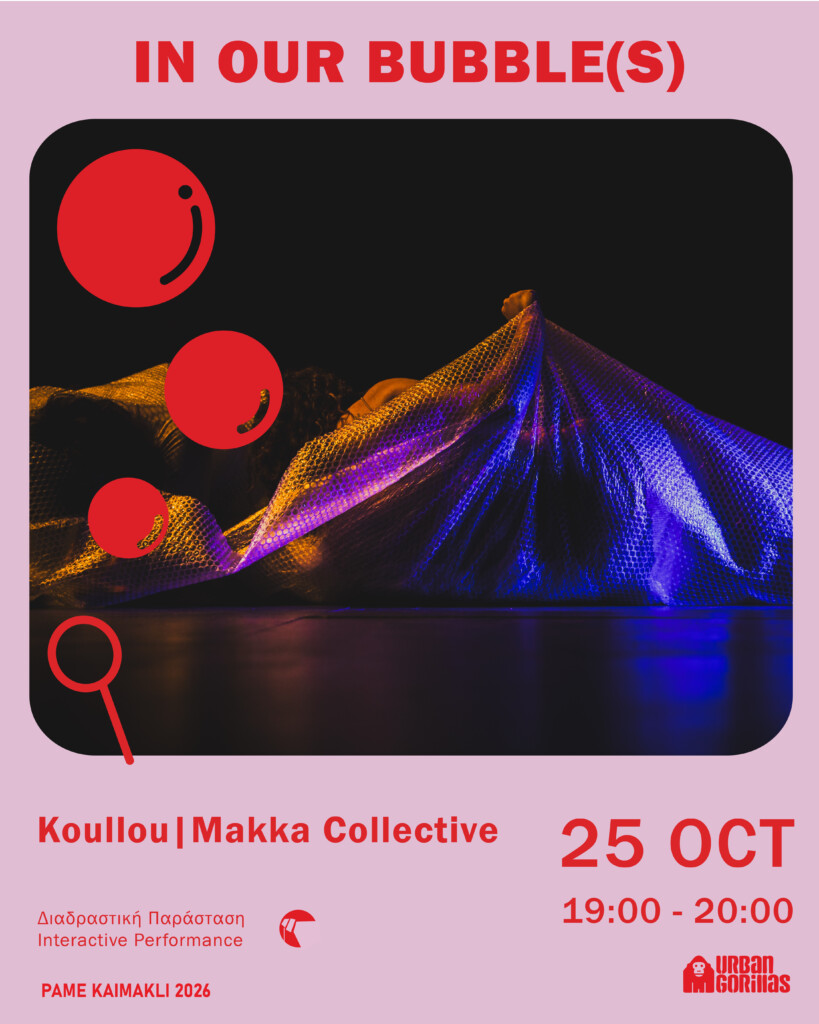
In our Bubble(s) | Interactive Performance
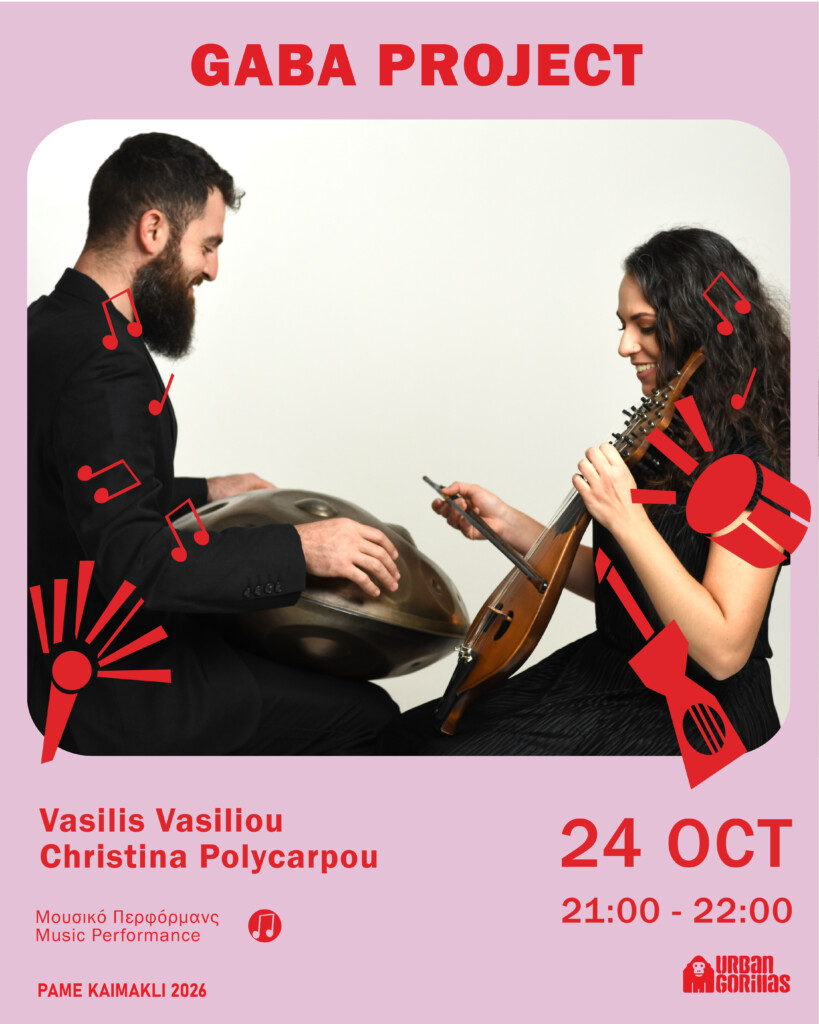
GABA PROJECT | Music Performance
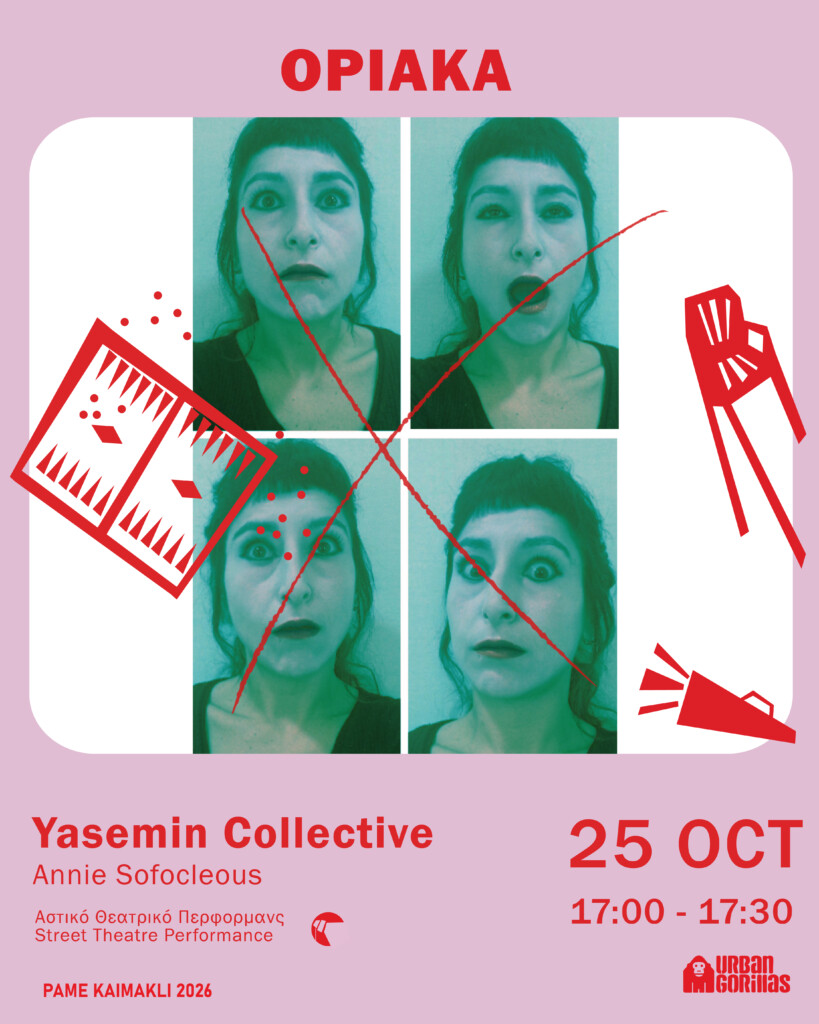
Borderline | Street Theatre Performance
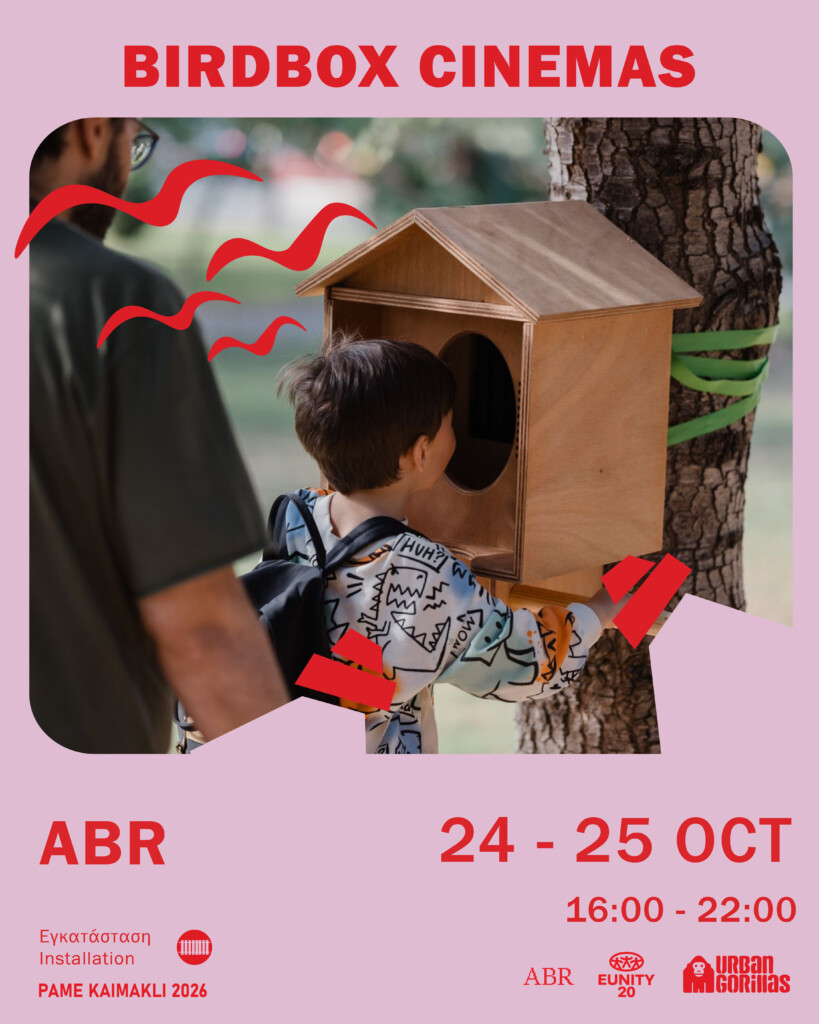
BIRDBOX CINEMA | Installation
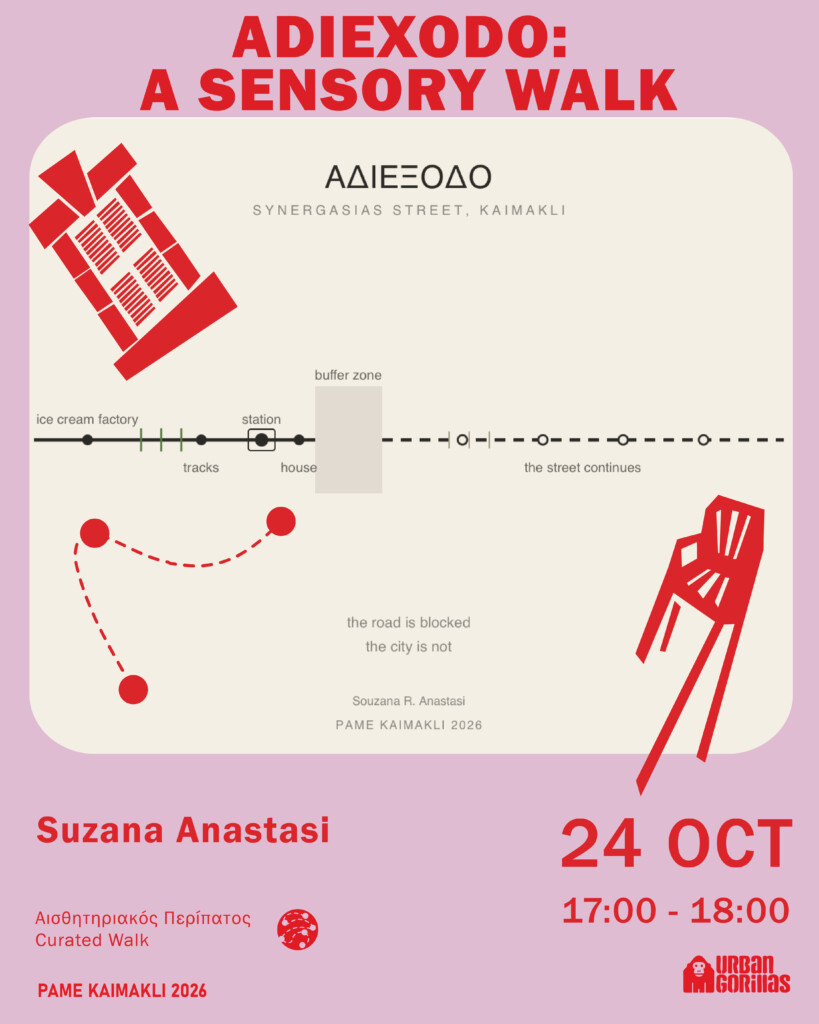
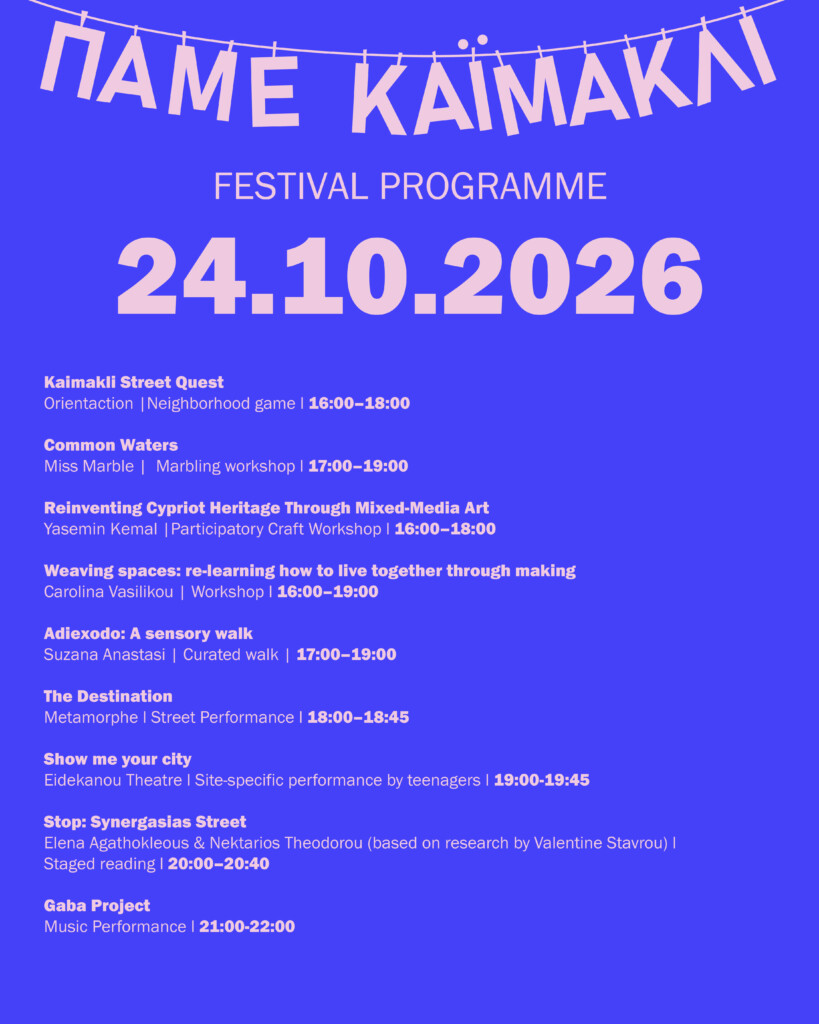
ADIEXODO: A sensory walk | Curated Walk
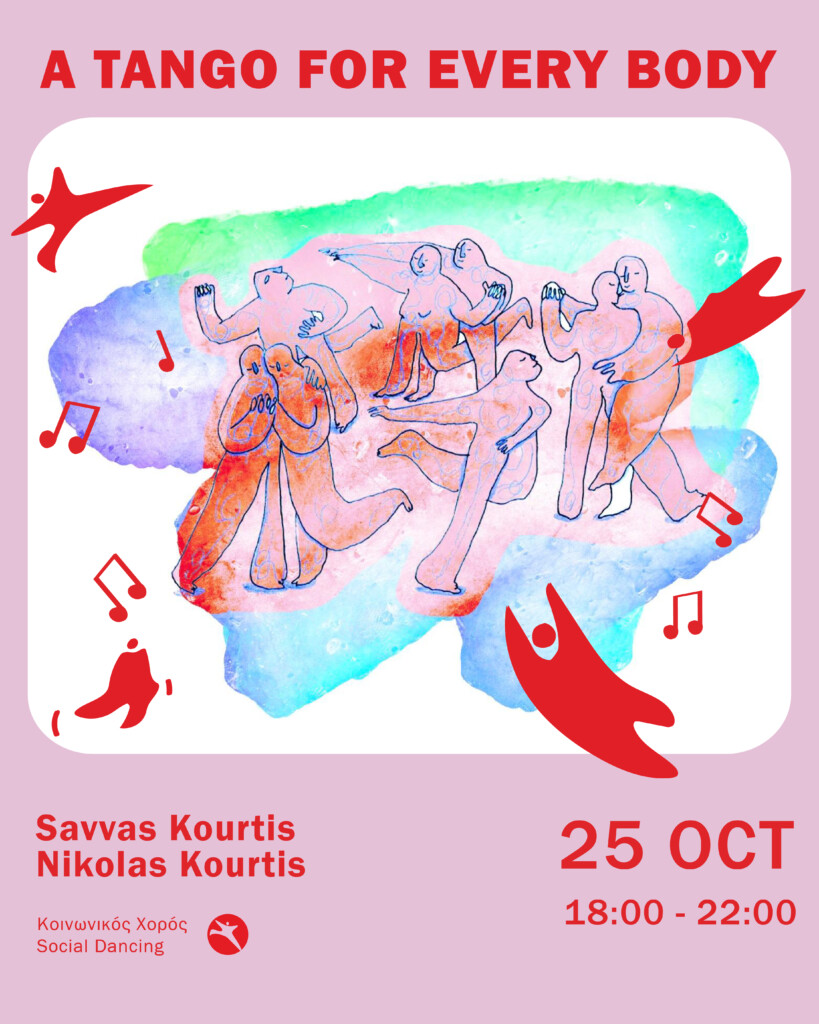
A TANGO FOR EVERY BODY | Social dancing
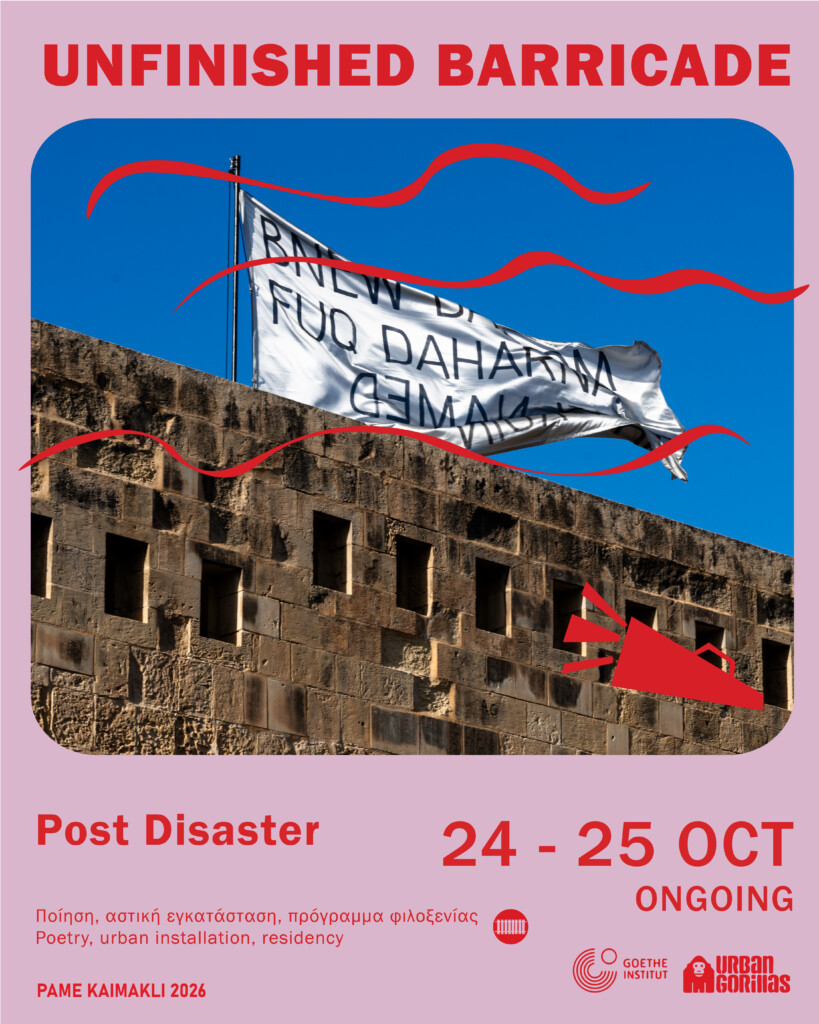
Unfinished Barricade | Textile Workshop
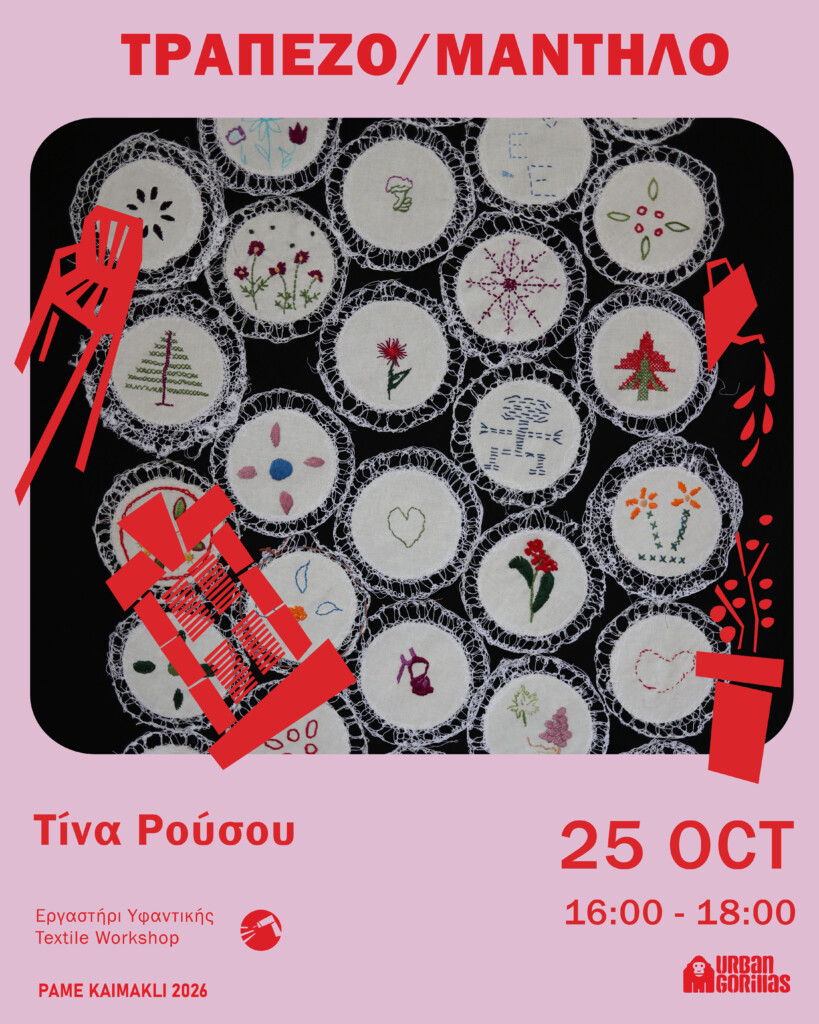
Table/Cloth | Textile Workshop
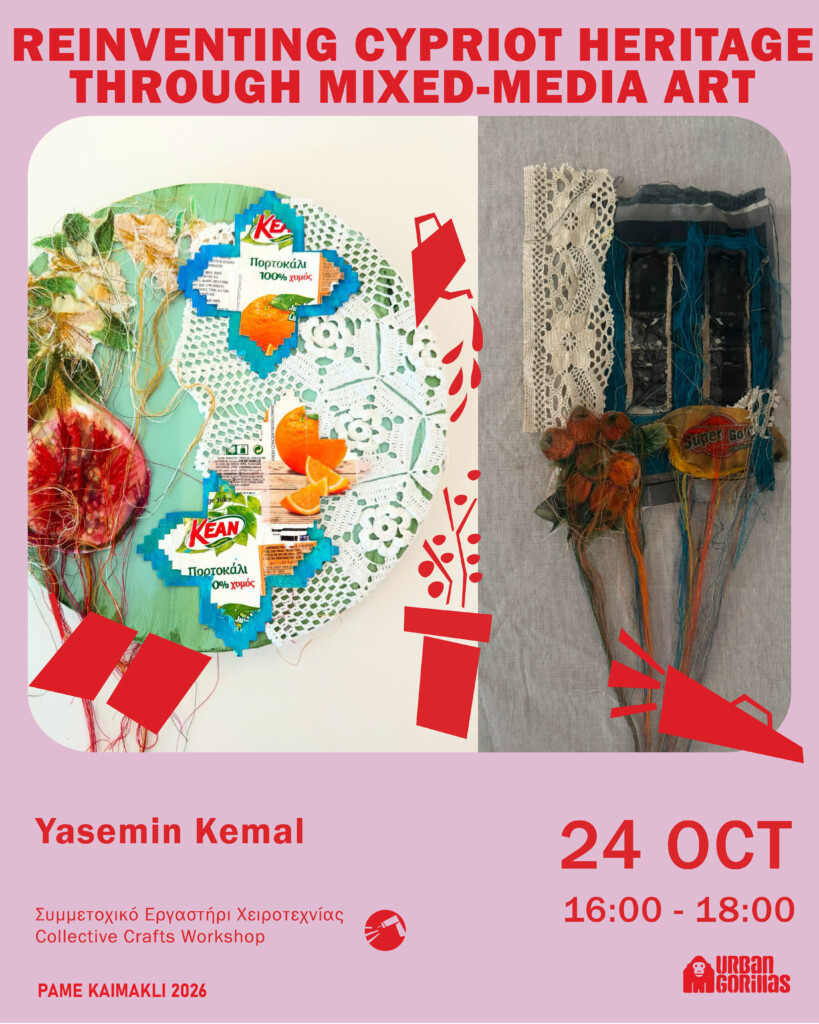
Reinventing Cypriot Heritage Through Mixed-Media | Collective Crafts Workshop
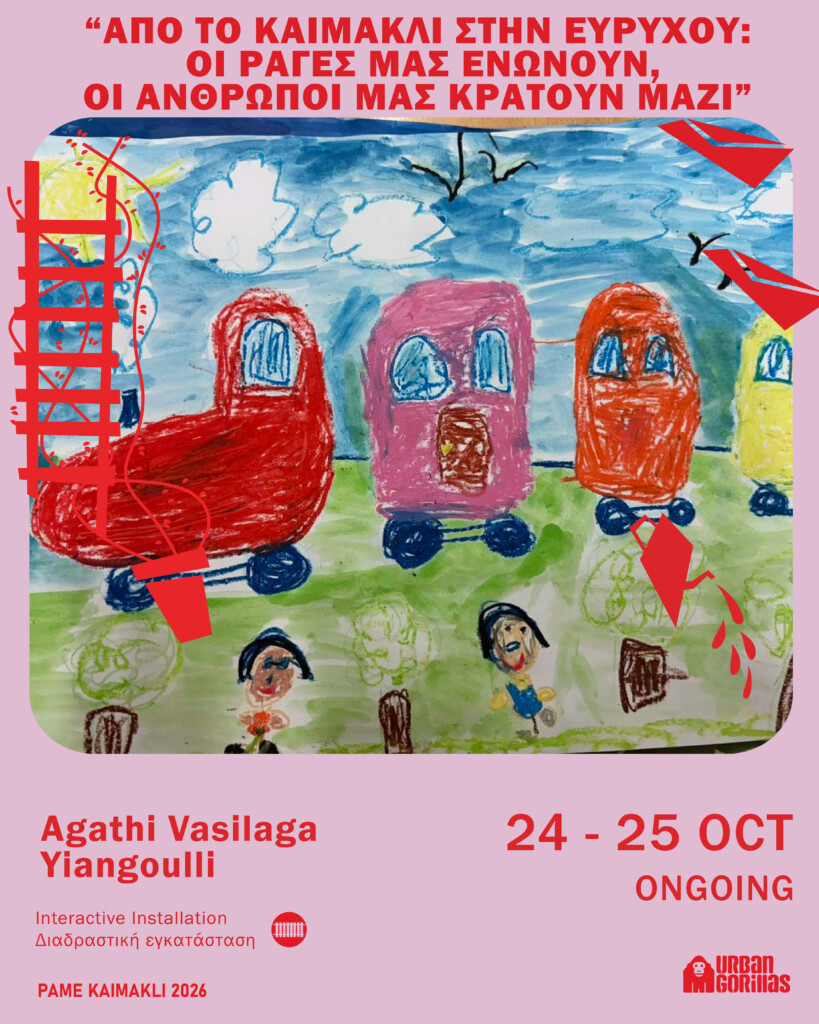
From Kaimakli to Evrichou: the trails unite us, people keep us together | Interactive Installation
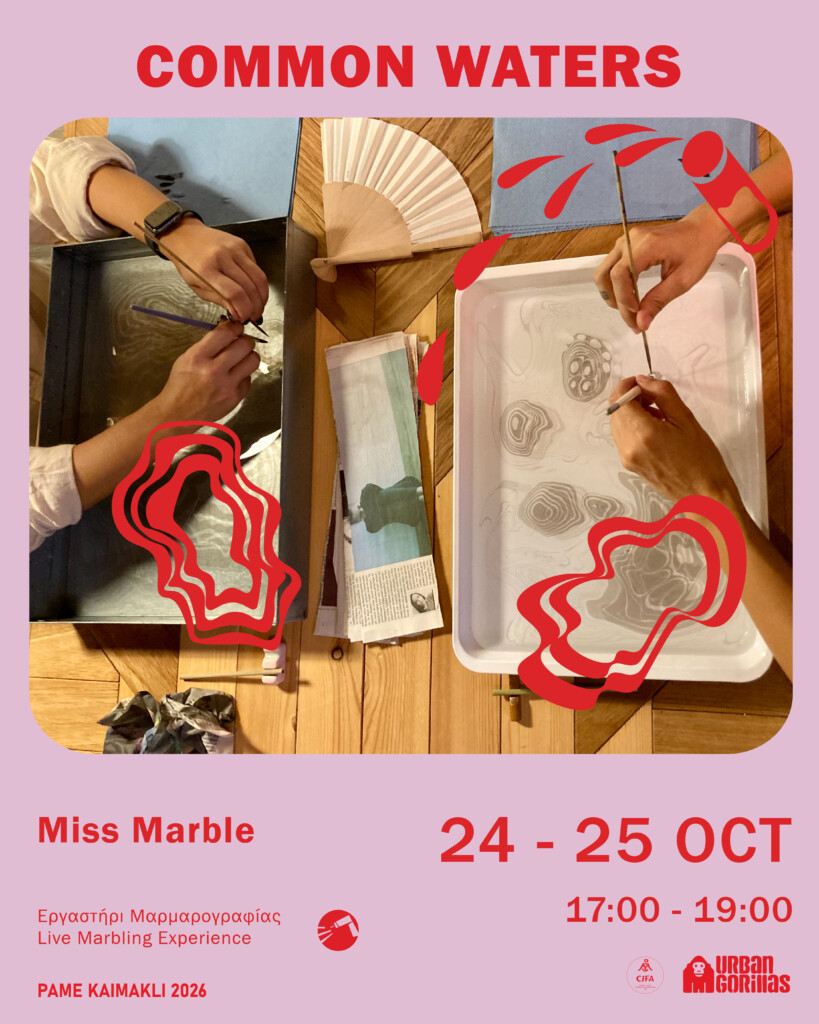
Common Waters | Live Marbling Experience
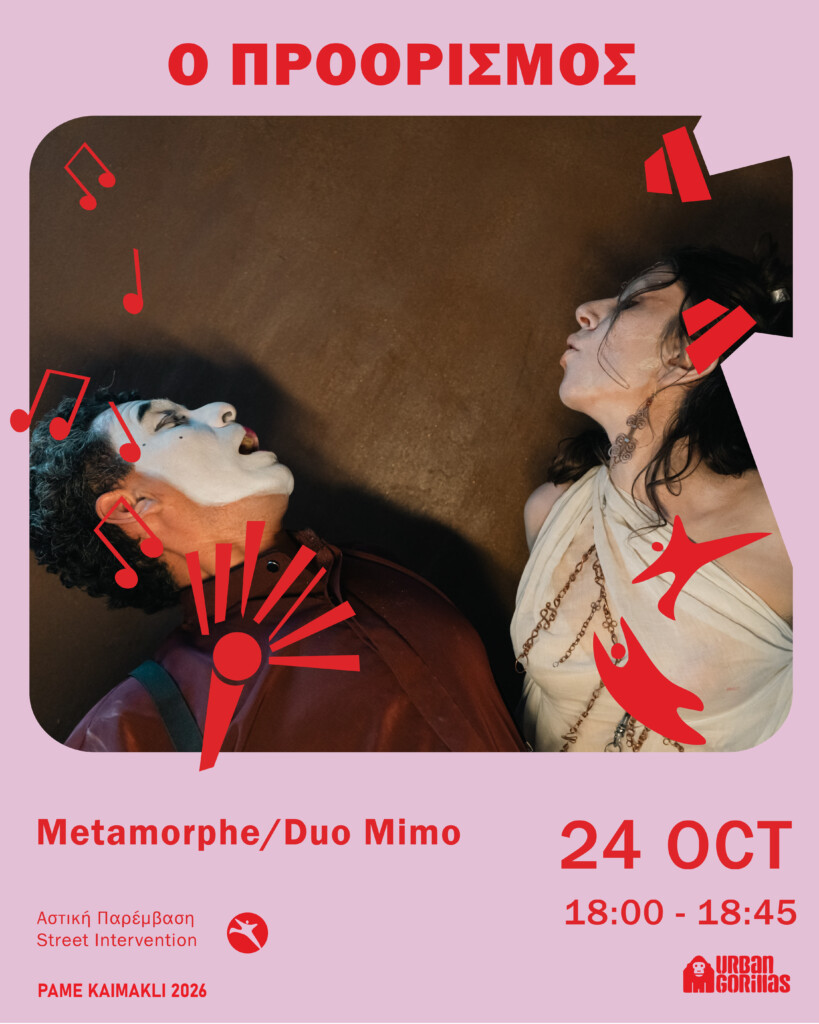
Metaphorme / Duo Mimo | Street Intervention
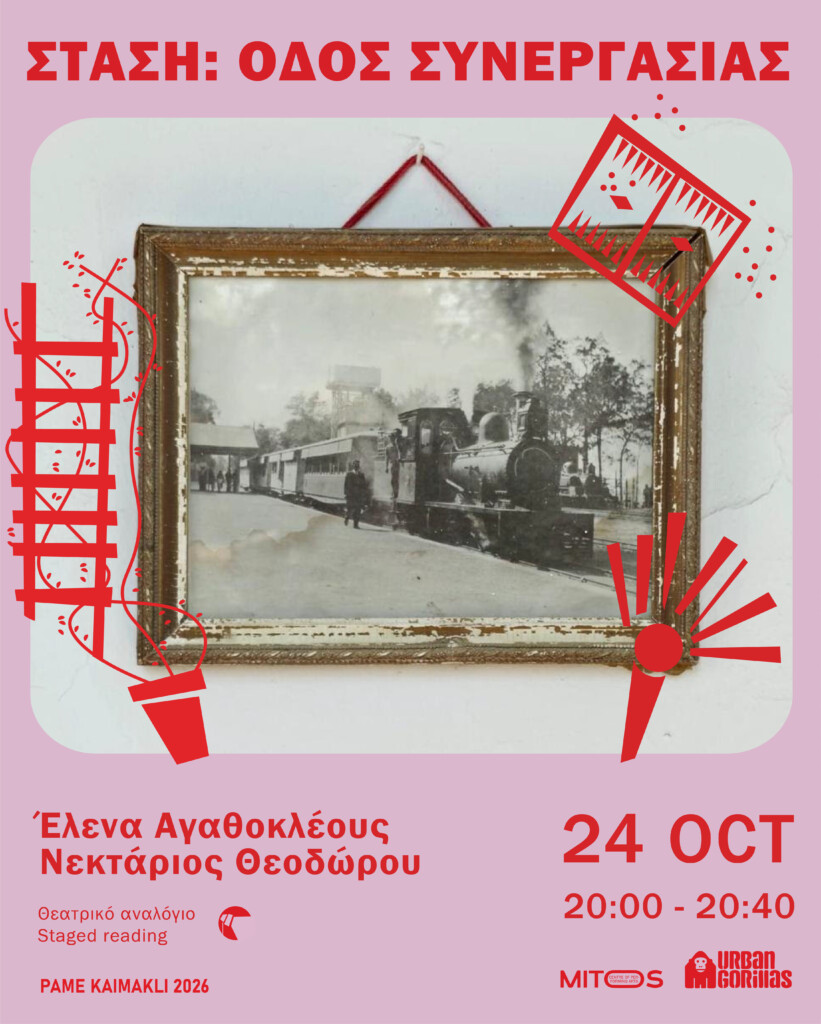
Στάση: οδός Συνεργασίας | Staged Reading
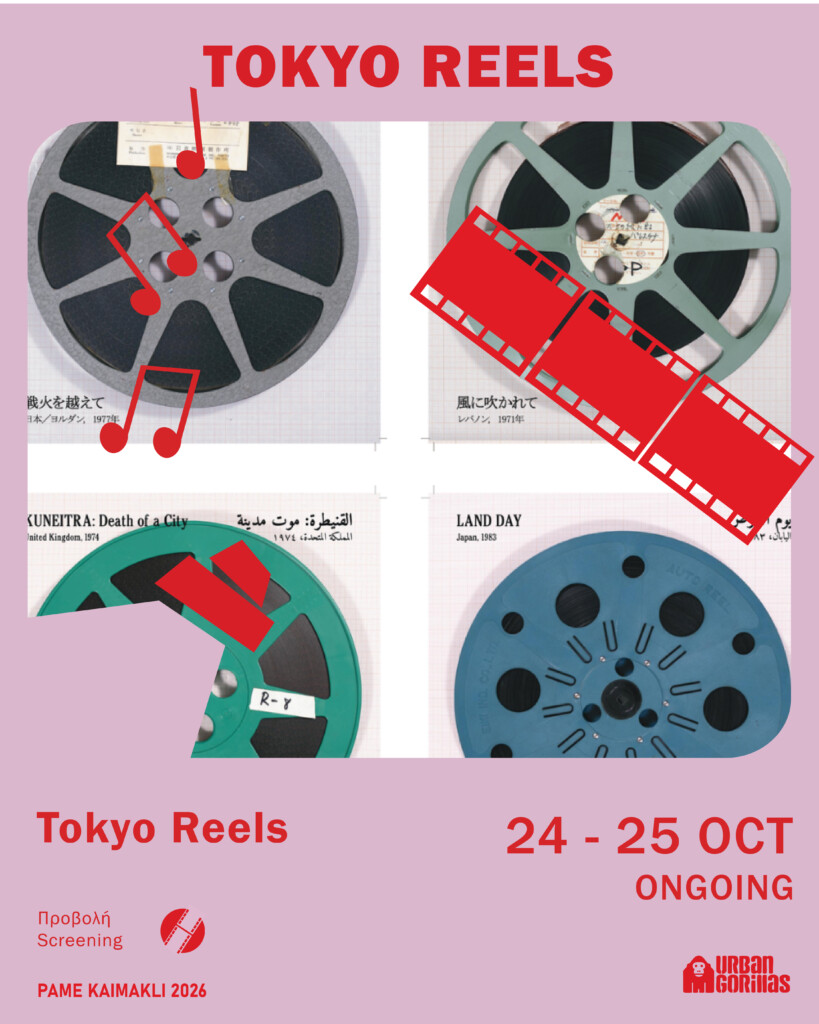
TOKYO REELS | Screening
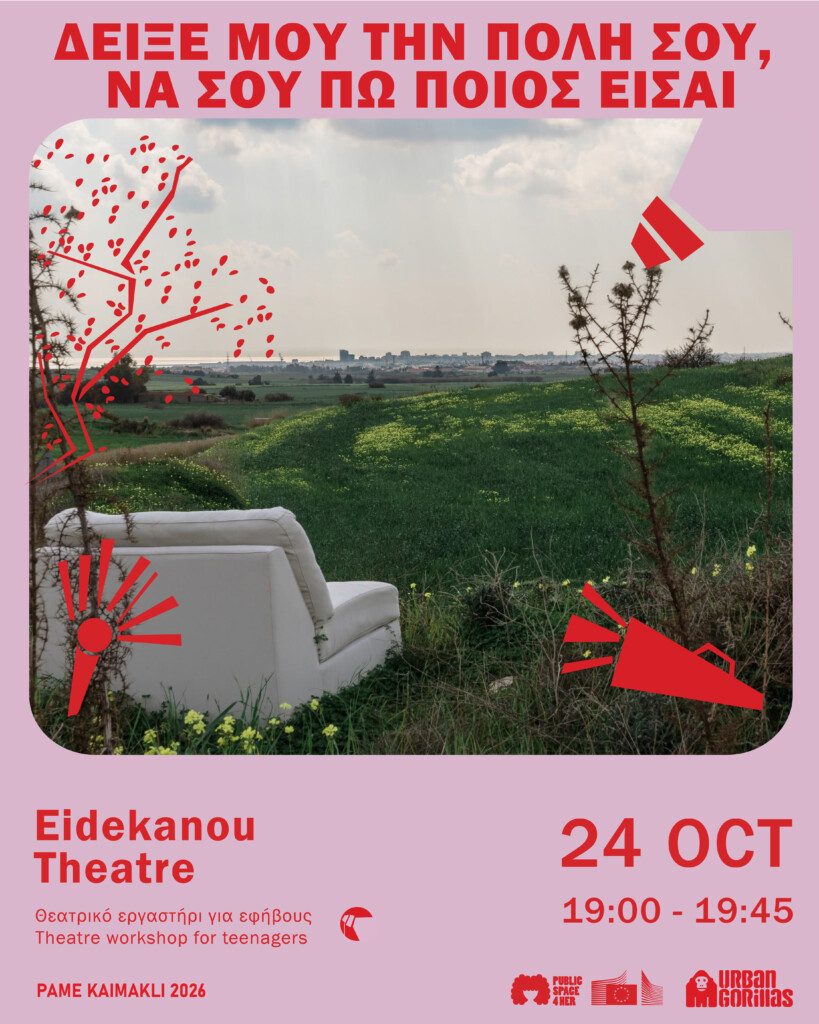
TΔείξε μου την πόλη σου, να σου πω ποιός είσαι | Theatre Workshop for Teenagers
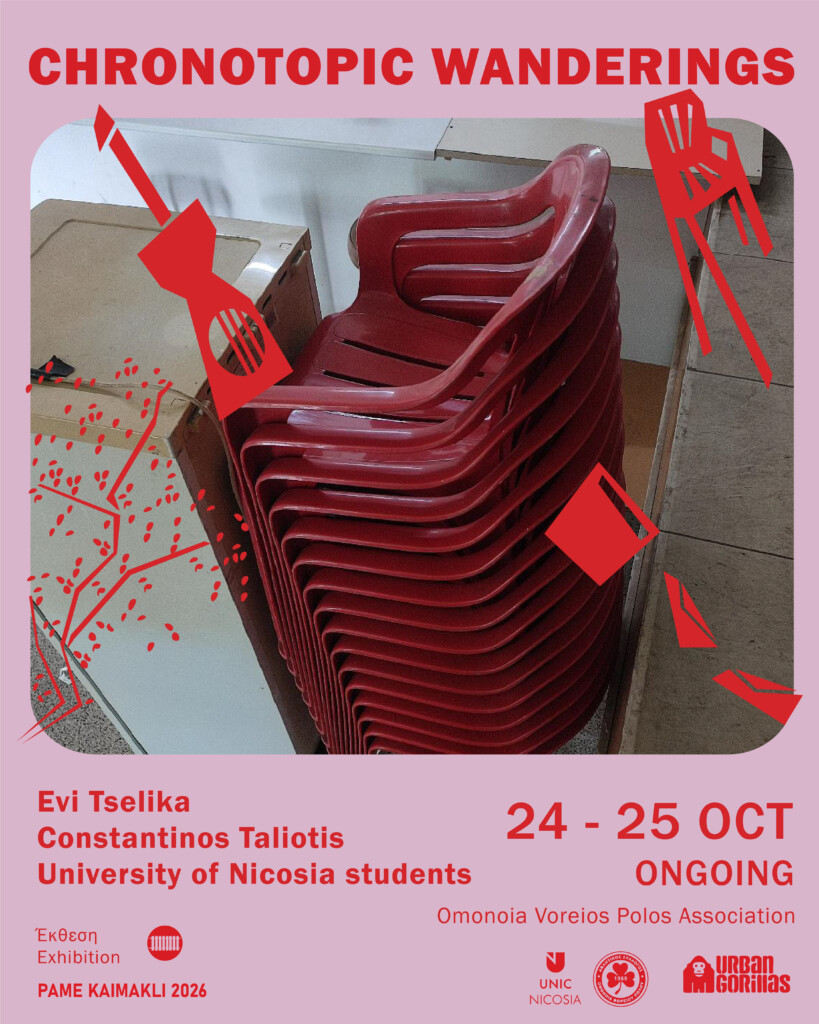
Chronotopic Wanderings | Exhibition
Collective Writing | Collective Writing Workshop
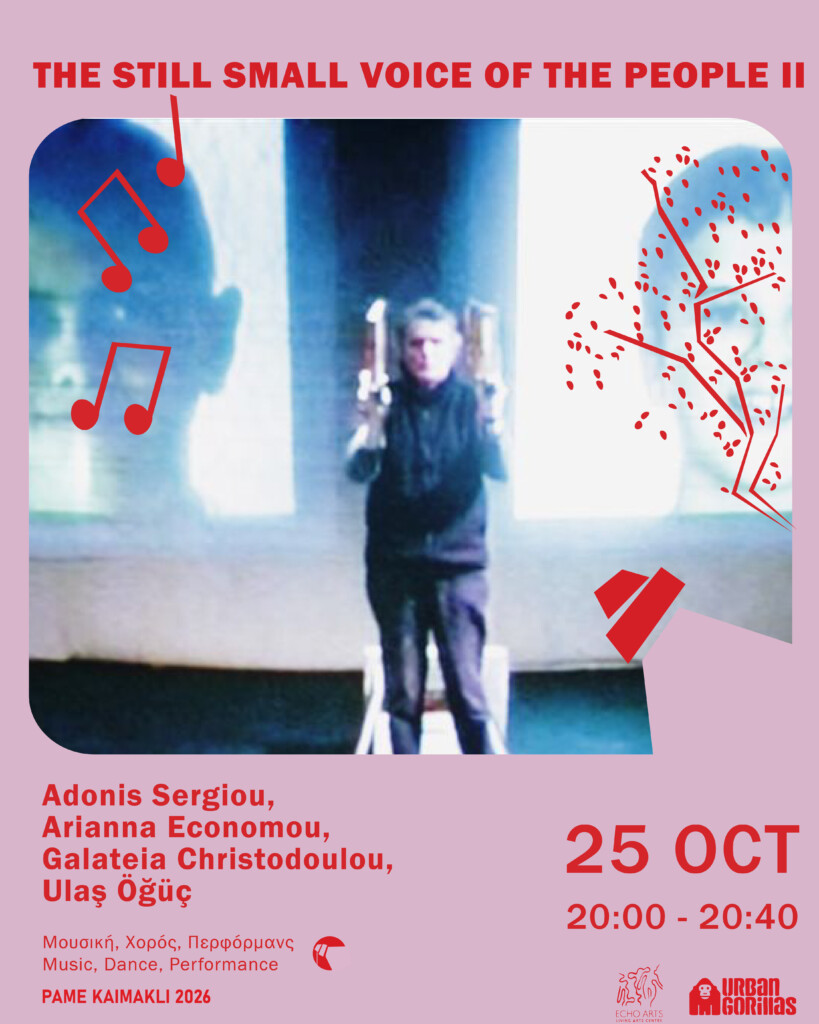
The still small voice of the people II (2026) | Music, Dance and Performance
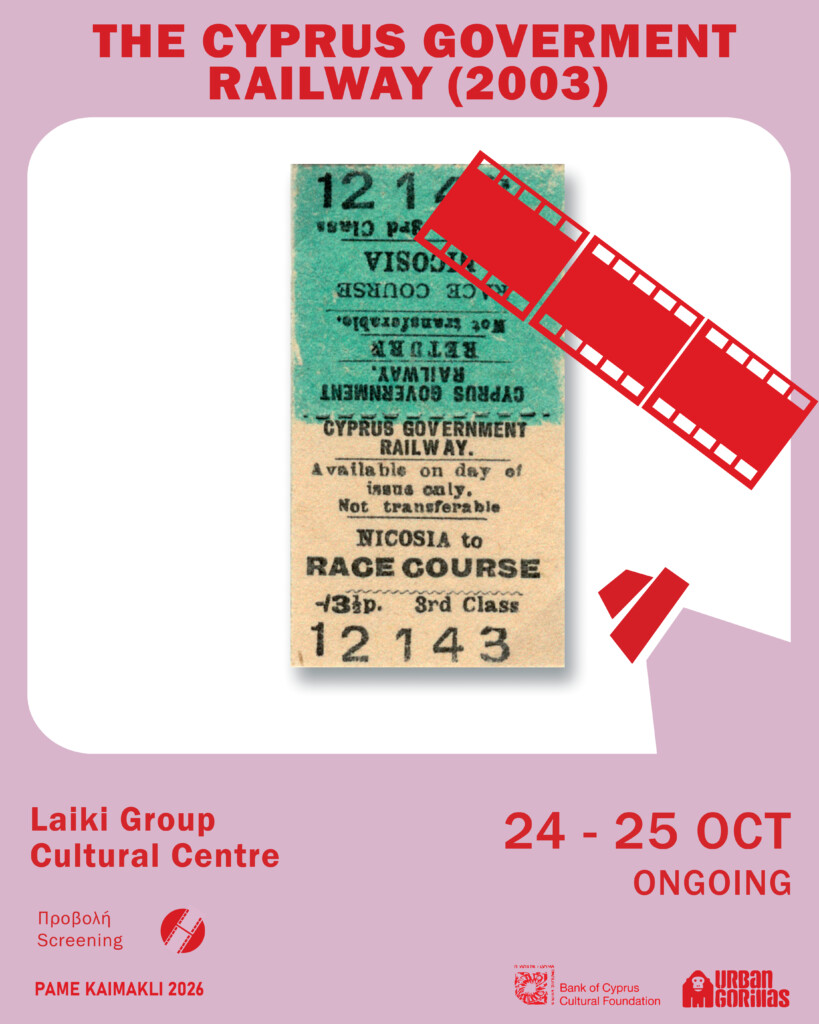
The Cyprus Government Railway (2003) | Screening
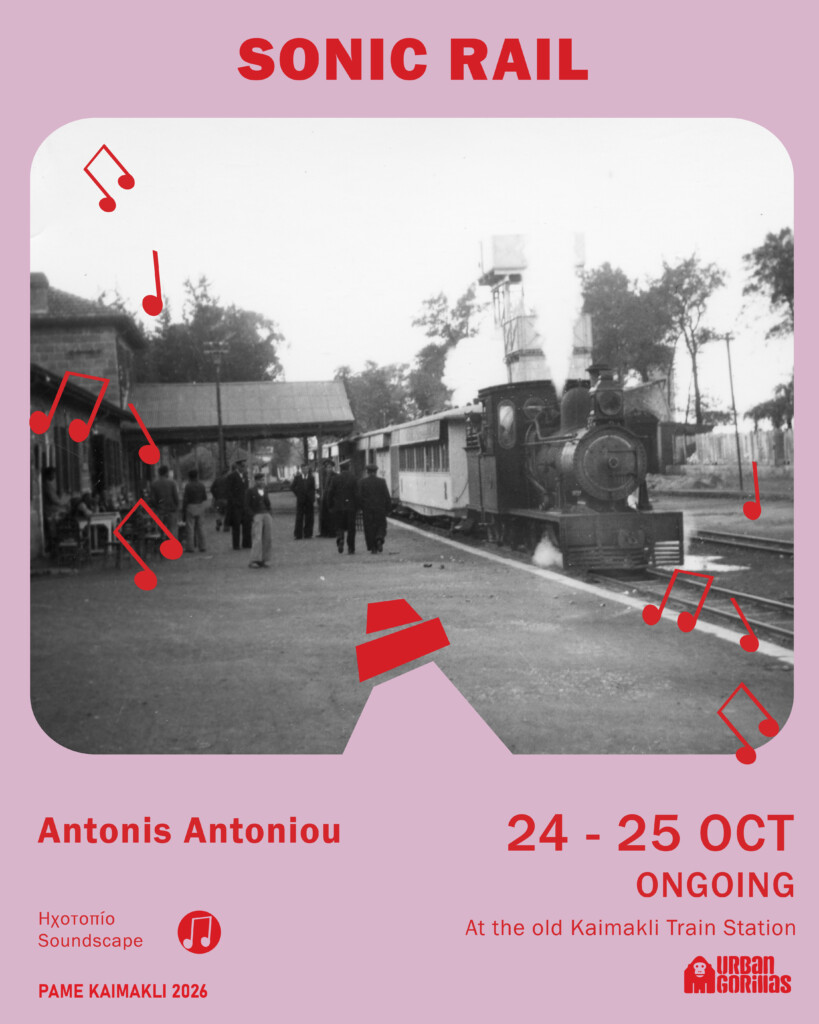
Sonic Rail (2016) | Soundscape
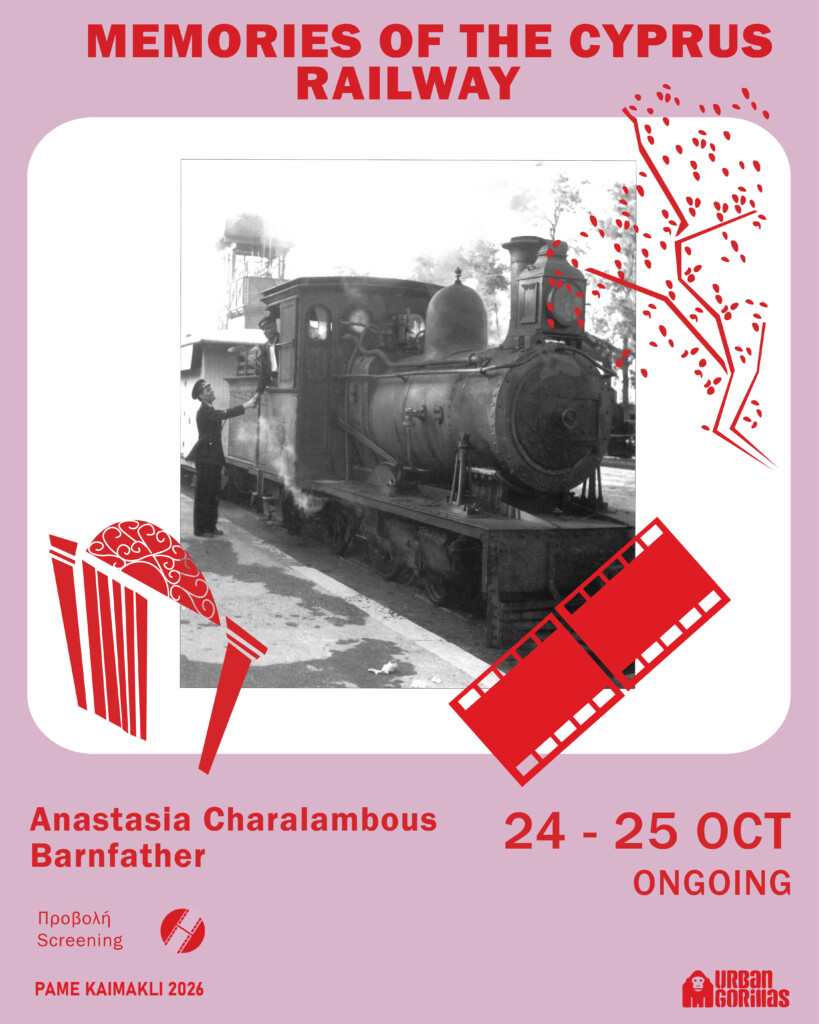
Memories of the Cyprus Railway | Screening
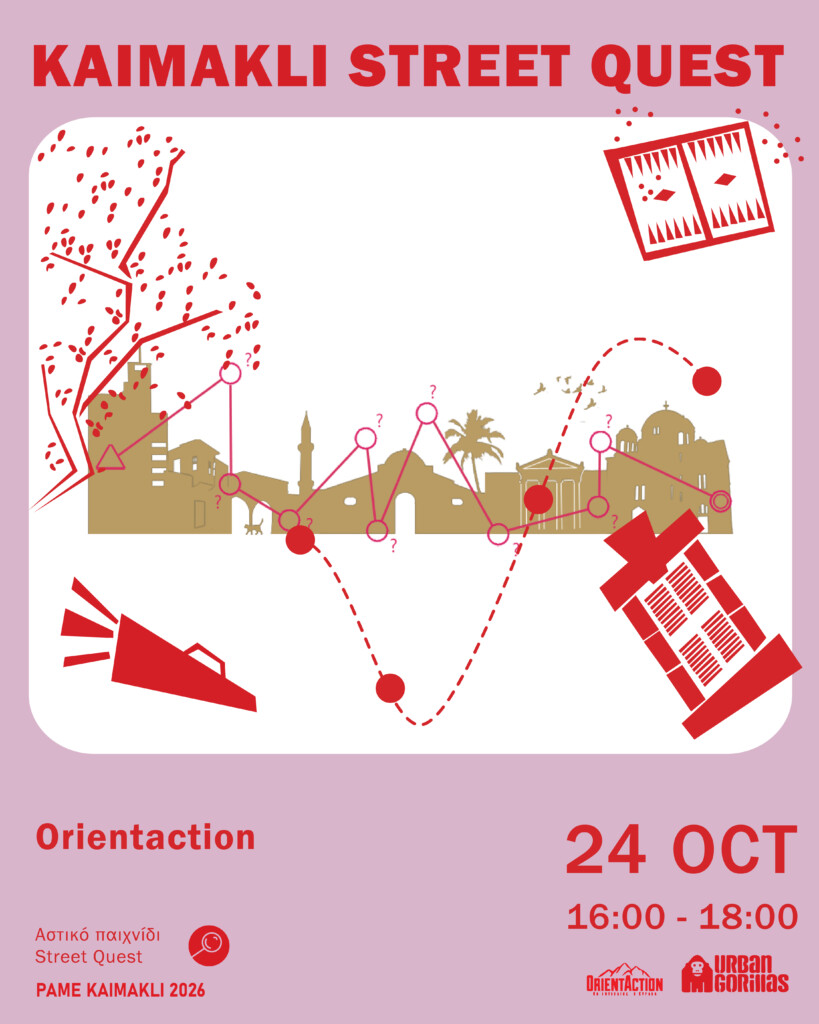
Kaimakli Street Quest | Street Quest
Global Sumud | Info desk
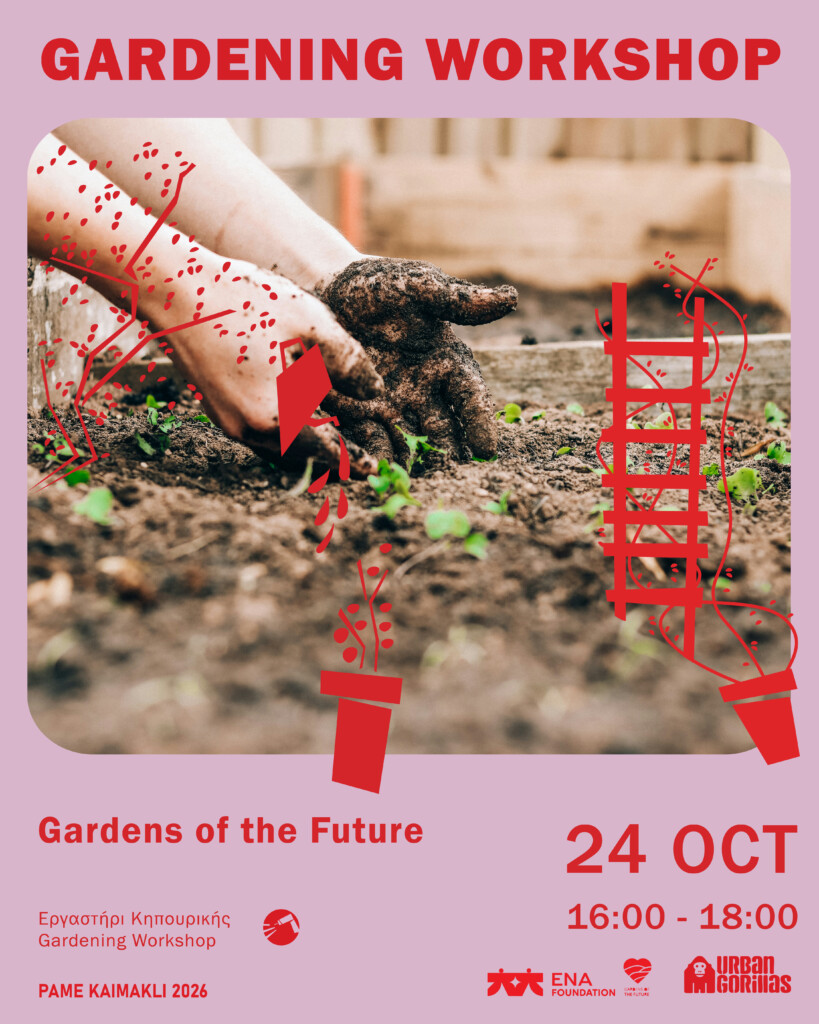
Gardening Workshop | Gardening Workshop
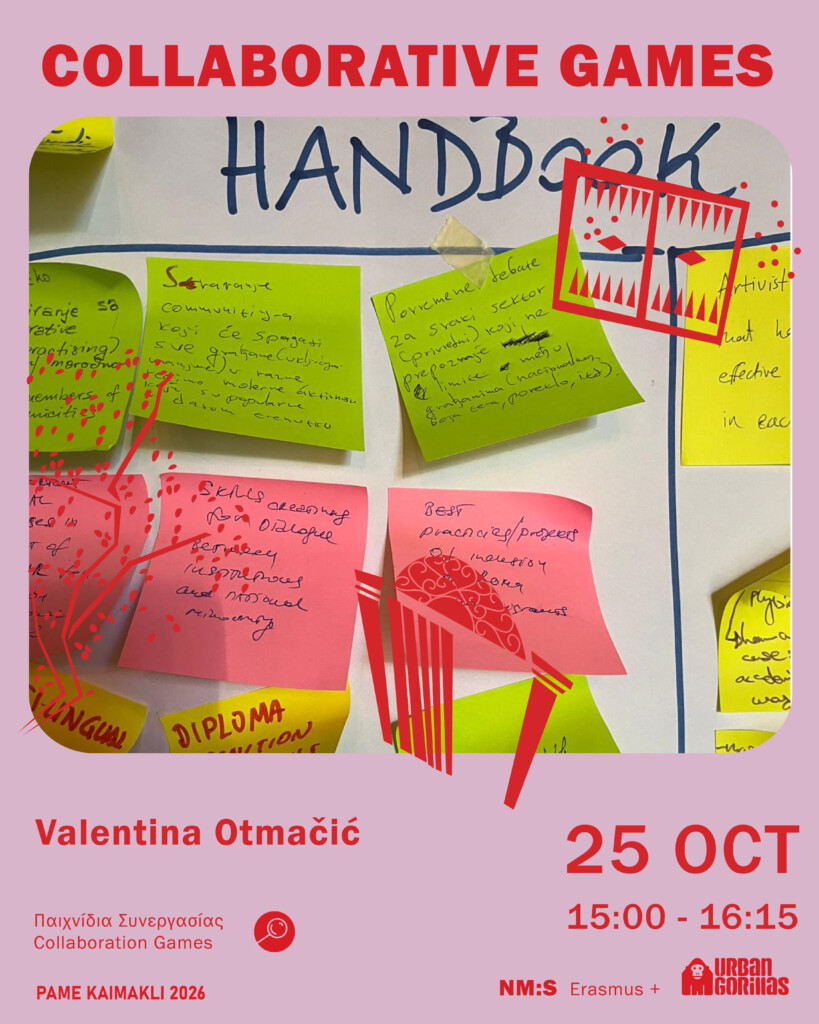
Collaborative Games | Collaboration Games
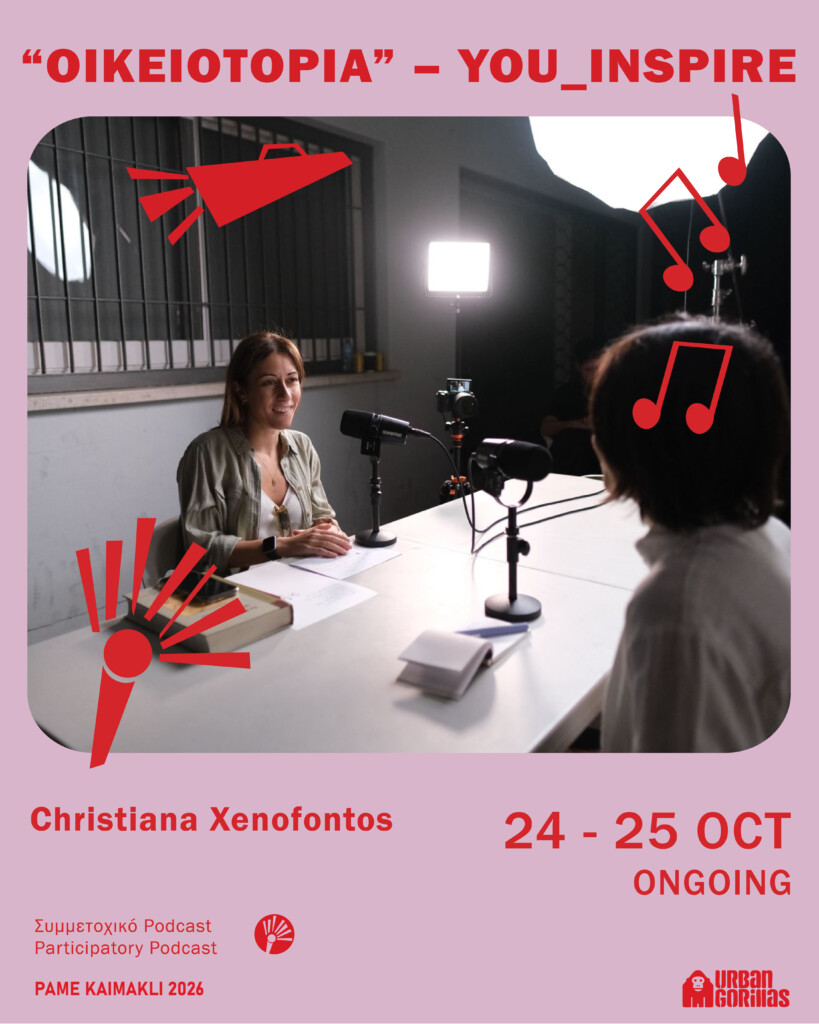
“Oikeiotopia” – YOU_inspire | Participatory Podcast
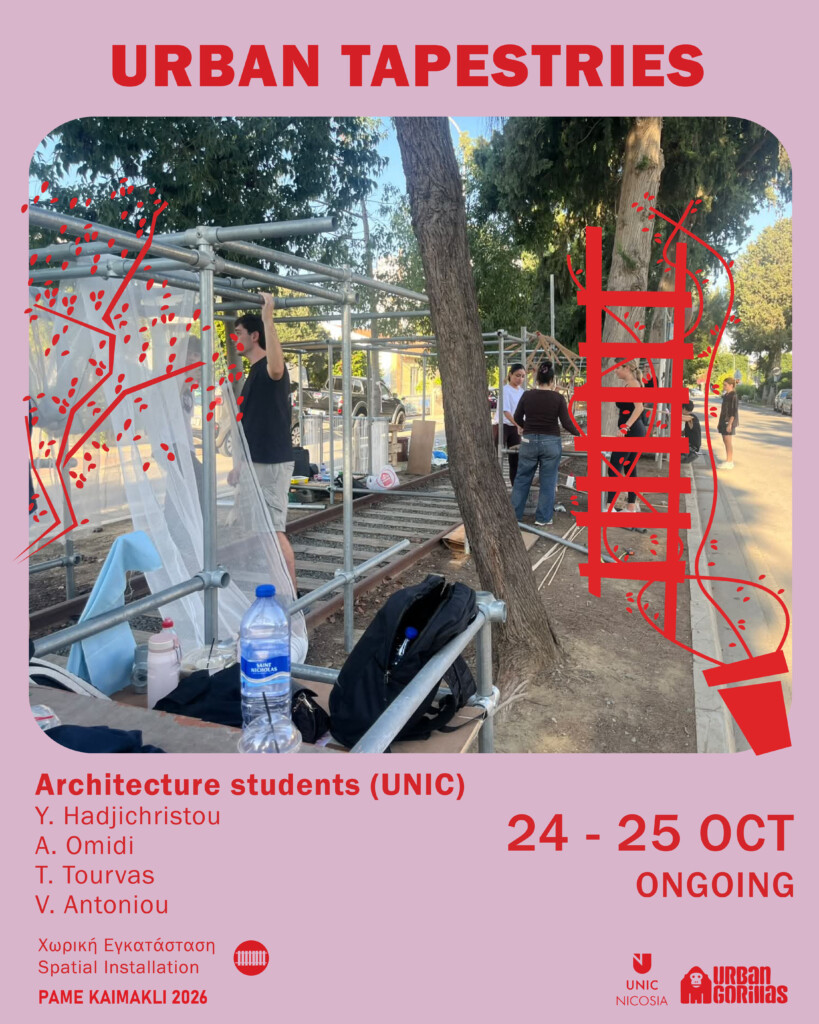
Urban Tapestries | Spatial Installation
Participants & Program
Check out pre-festival activities here!
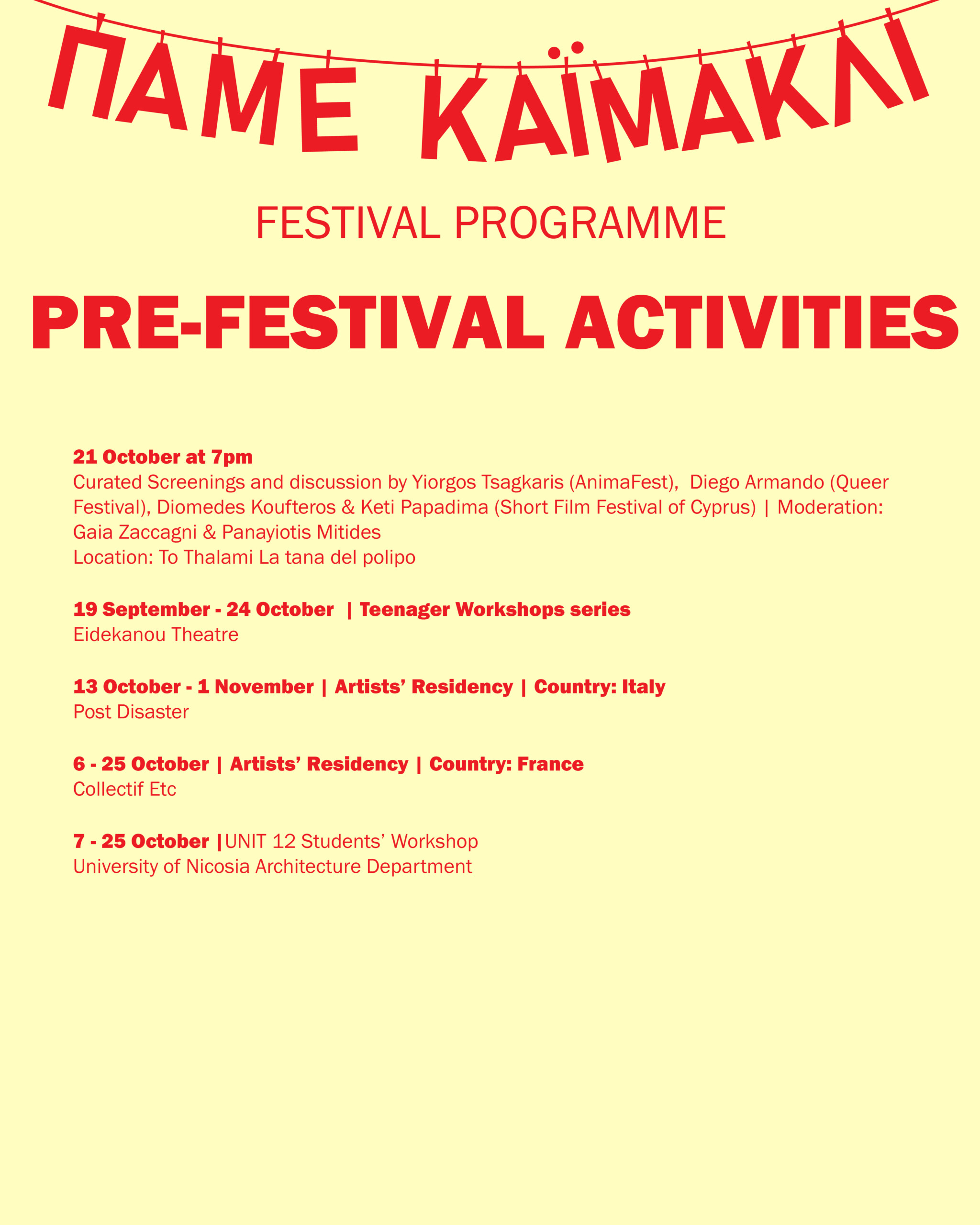
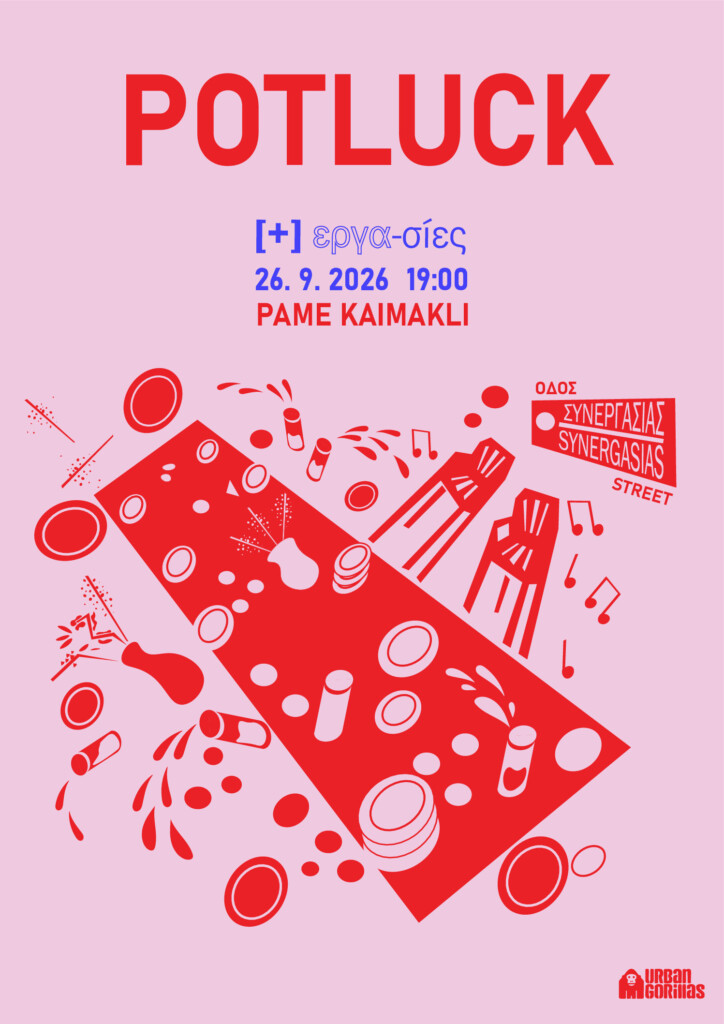
ΤΡΑΠΕΖΩΜΑ/POTLUCK | Neighbourhood Potluck in Kaimakli
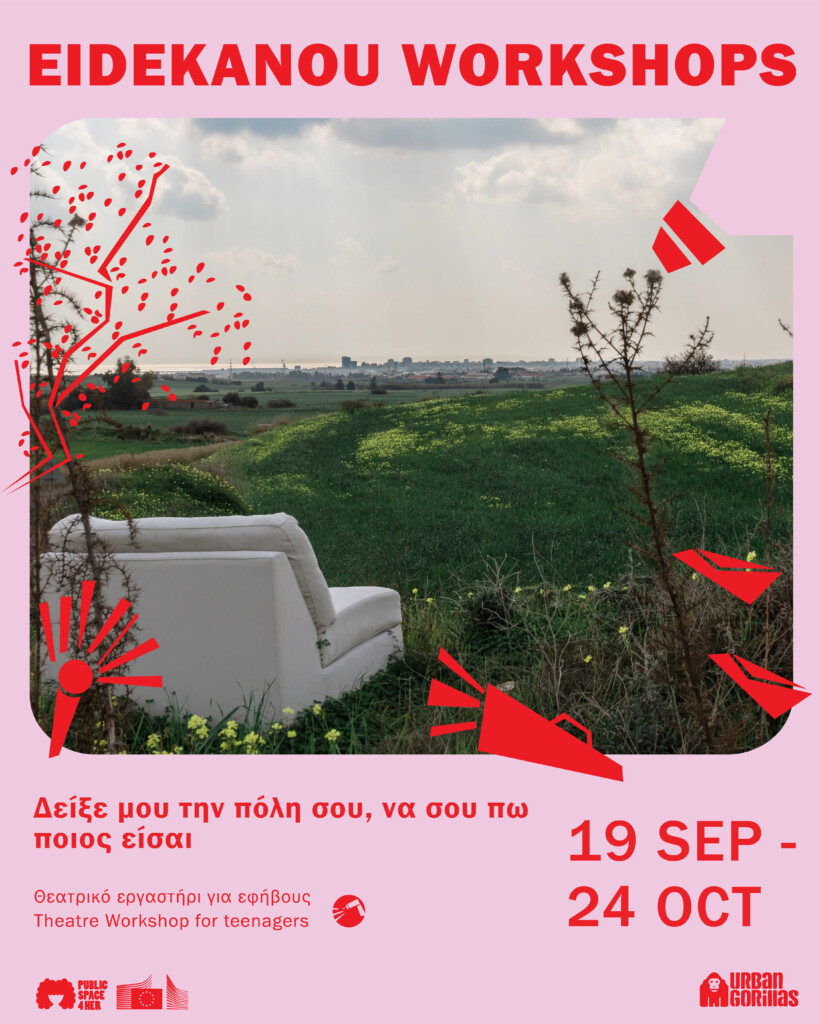
Eidekanou Workshops | Theatre workshops for teenagers
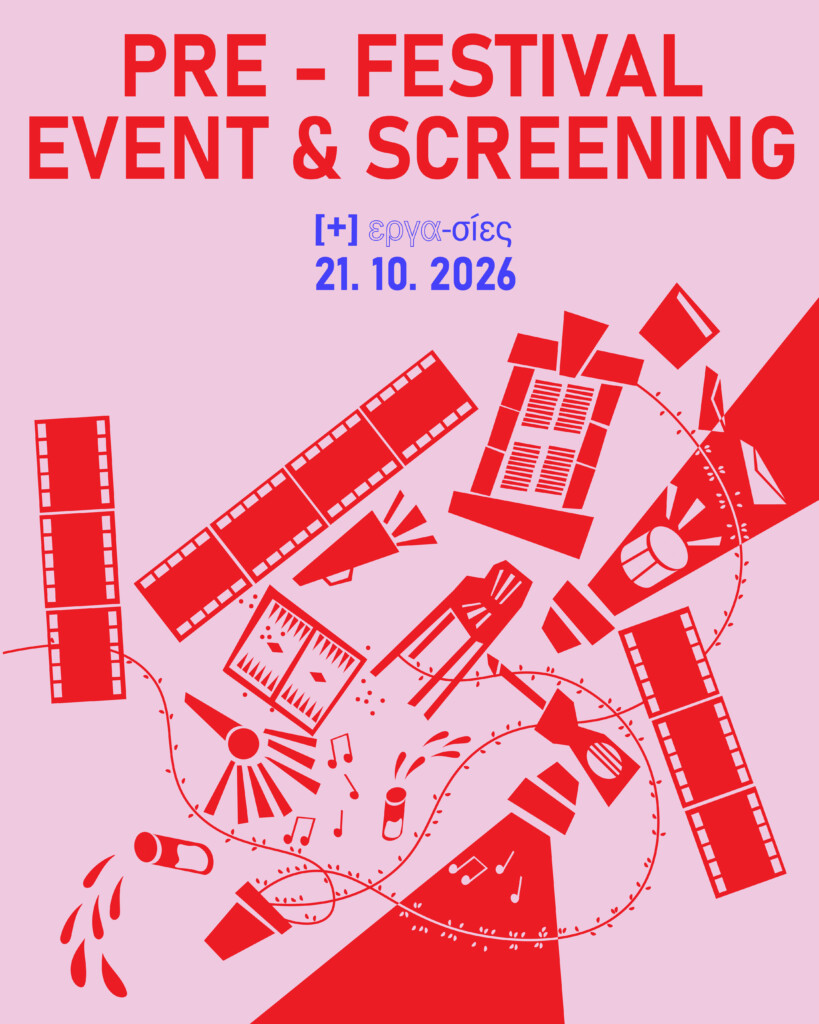
Pre-festival Screening Event | Screening
Festival Calendar
October at Urban Gorillas!
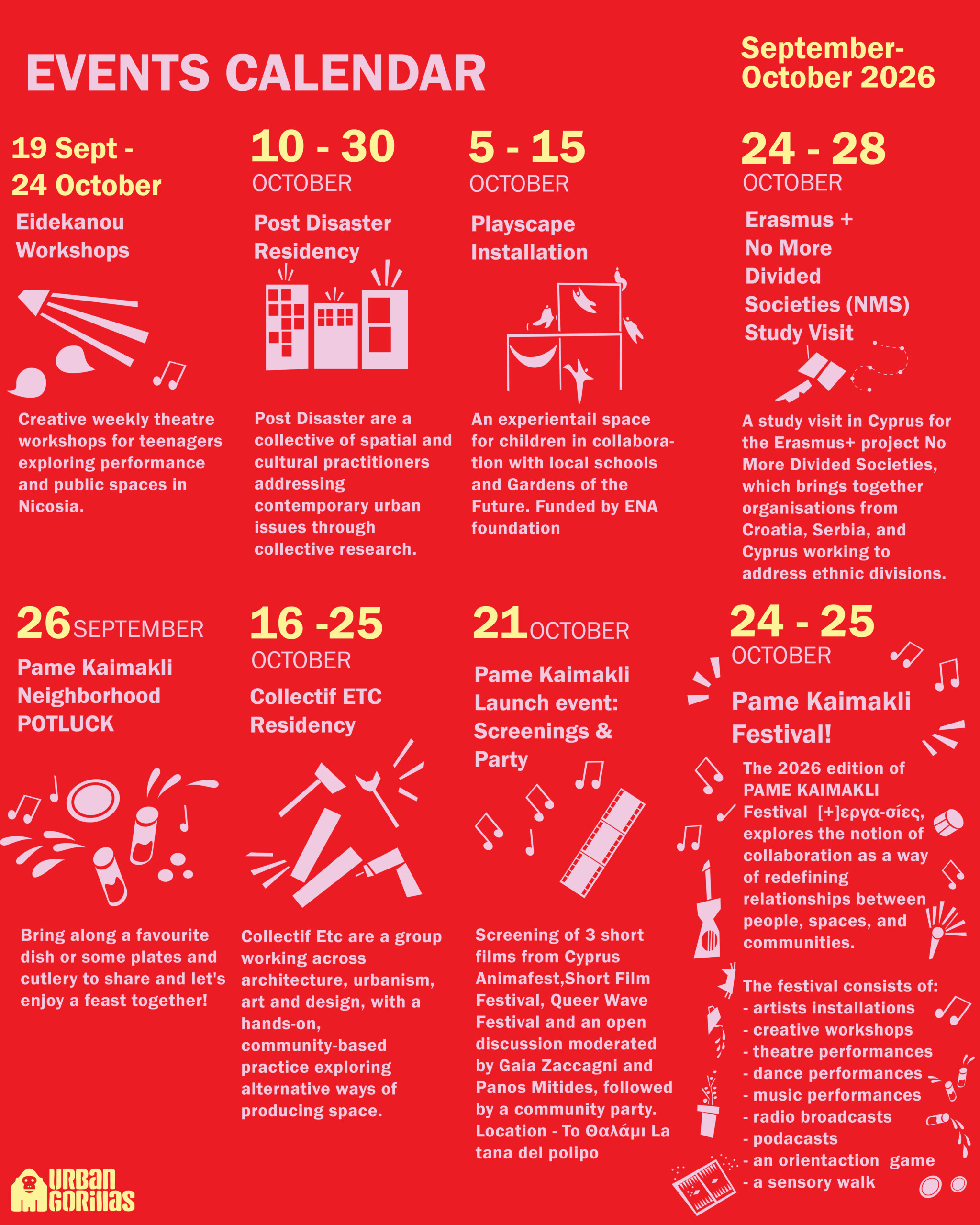

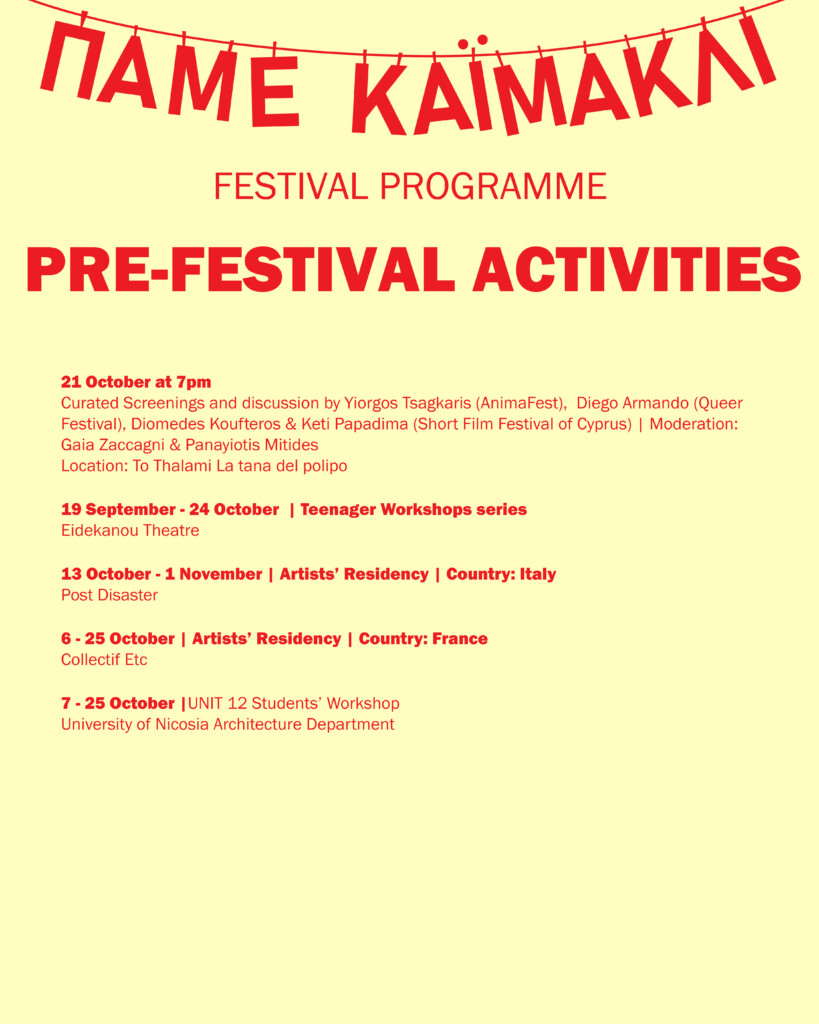
19 September-24 October | Eidekanou Workshops
Creative weekly theatre workshops for teenagers exploring performance and public spaces in Nicosia.
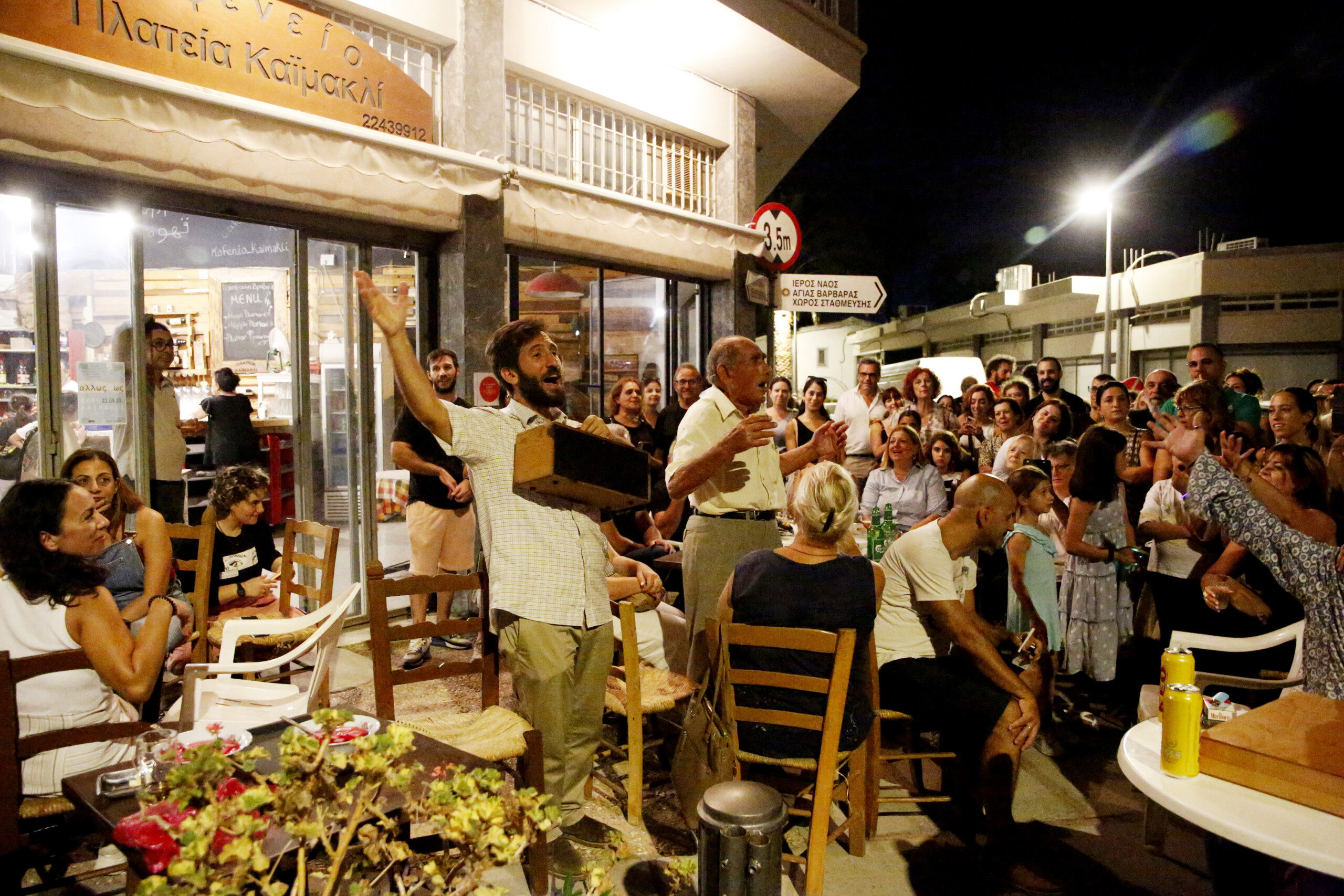
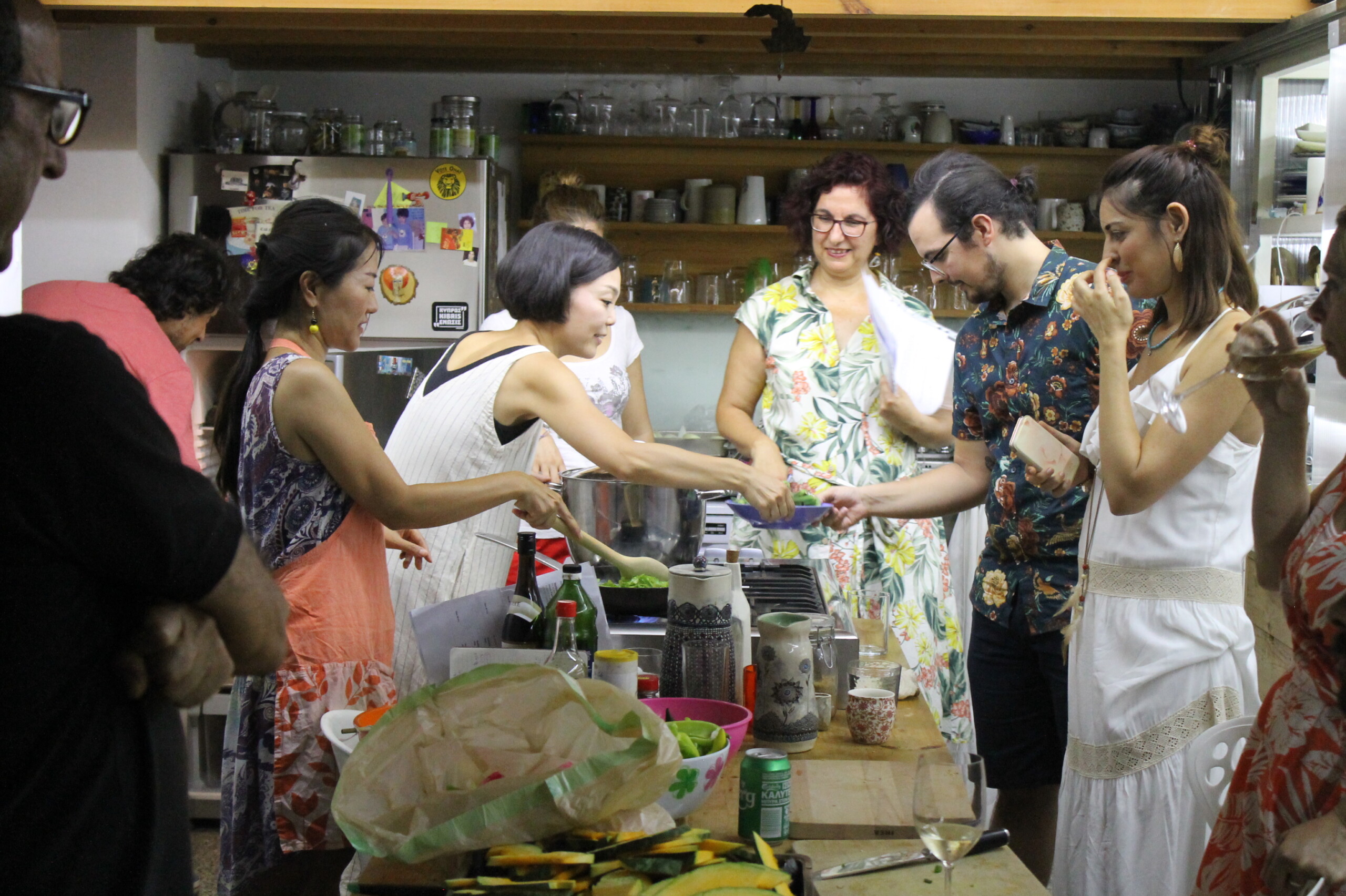
26 September | Pame Kaimakli Potluck
Bring along a favourite dish or some plates and cutlery to share and let’s enjoy a feast together!
10-30 October | Post Disaster Residency
Post Disaster are a collective of spatial and cultural practitioners addressing contemporary urban issues through collective research. https://www.postdisaster.it/
16-25 October | Collectif ETC Residency
Collectif Etc are a group working across architecture, urbanism, art and design, with a hands-on, community-based practice exploring alternative ways of producing space. https://www.collectifetc.com/eng/
24-28 October | Erasmus + No More Divided Societies (NMS) Study Visit
A study visit in Cyprus for the Erasmus+ project No More Divided Societies, which brings together organisations from Croatia, Serbia, and Cyprus working to address ethnic divisions.
21 October | Pame Kaimakli Launch event: Screenings & Party
Screening of 3 short films from Cyprus Animafest,Short Film Festival, Queer Wave Festival and an open discussion moderated by Gaia Zaccagni, followed by a community party. Location – To Θαλάμι La tana del polipo
24-25 October | Pame Kaimakli Festival!
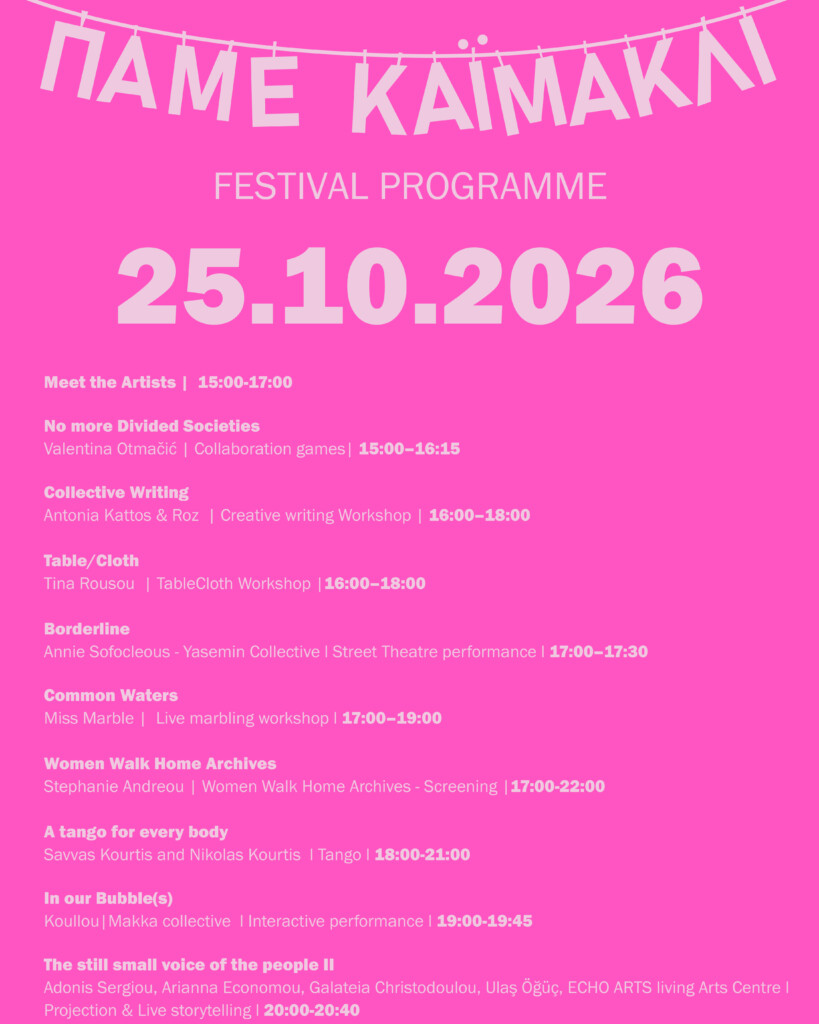
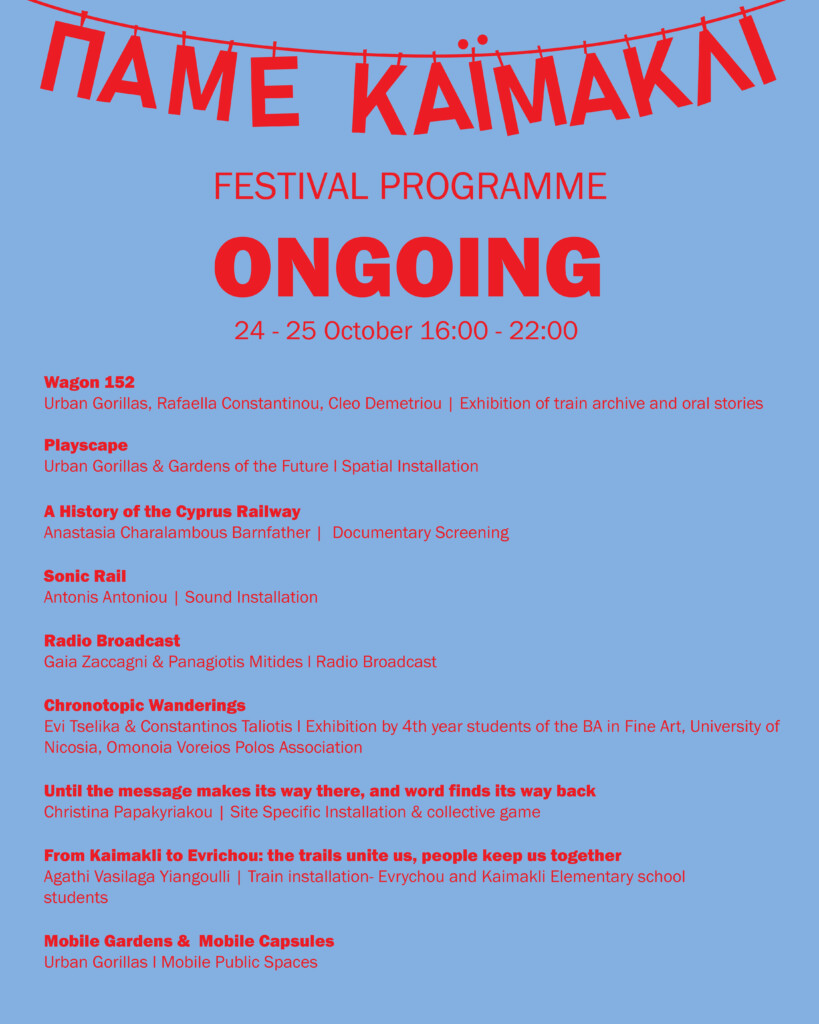
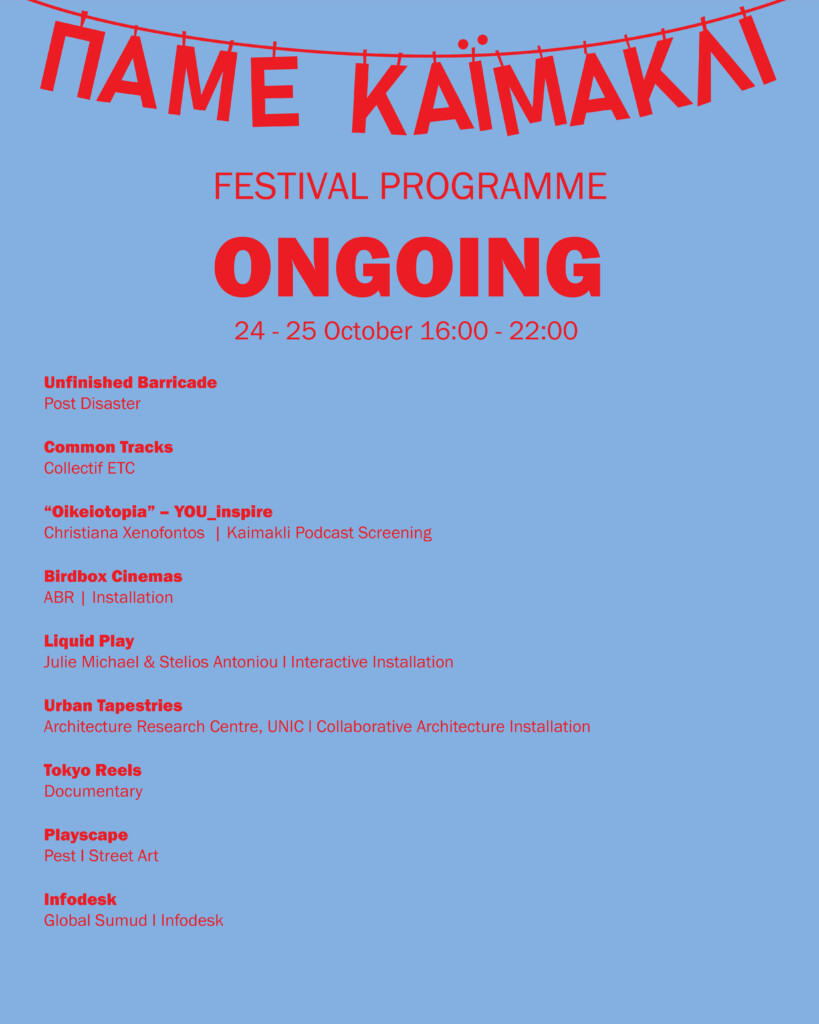
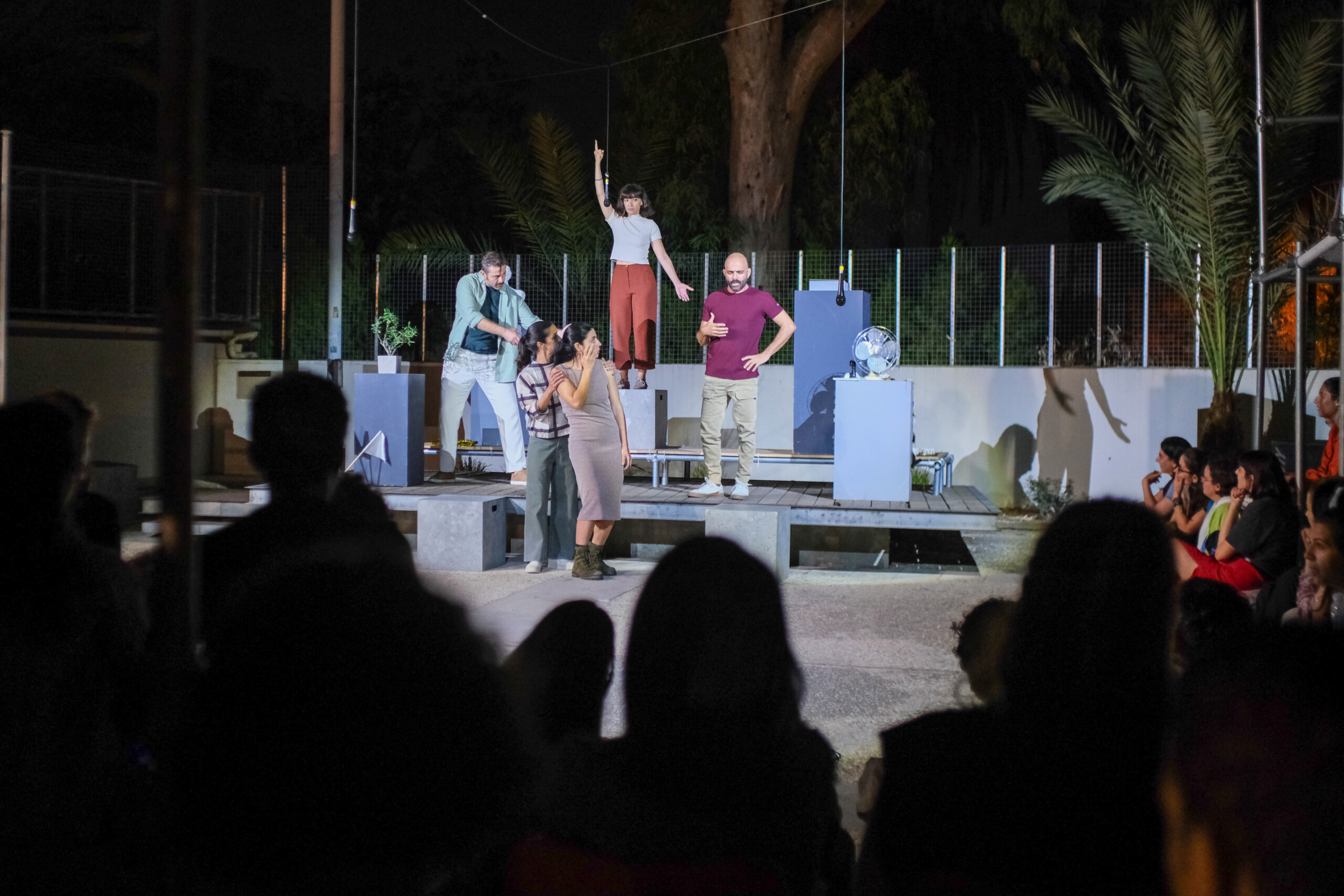
The 2026 edition of PAME KAIMAKLI Festival [+]εργα-σίες, explores the notion of collaboration as a way of redefining relationships between people, spaces, and communities. The festival consists of artists installations, creative workshops, theatre performances, dance performances, music performances, radio broadcasts, podcasts, an orientation game and a sensory walk.
“Free festivals are practical demonstrations of what society could be like all the time: miniature utopias of joy and communal awareness rising for a few days from a grey morass of mundane, inhibited, paranoid and repressive everyday existence” Un-authored leaflet from 1980, quoted from George McKay(1980)




Contact Us
Would you like to learn more?
Say hello
Location
NEWSLETTER